From the class Space and Materiality · Learning Portfolio post, September 5, 2019
Linear Materials
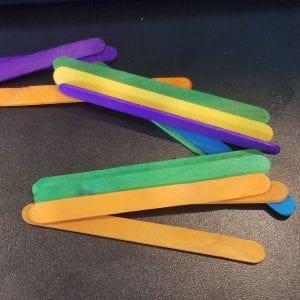
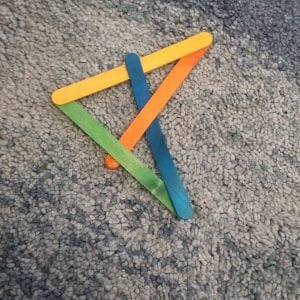
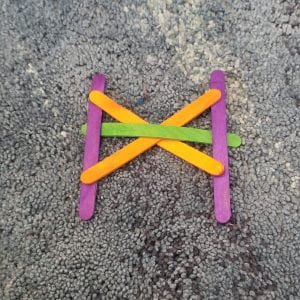
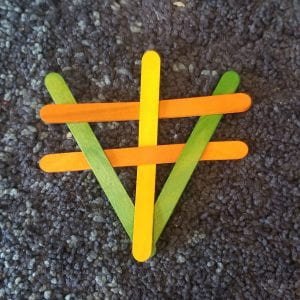
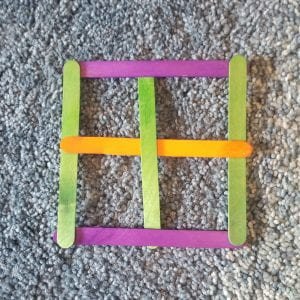
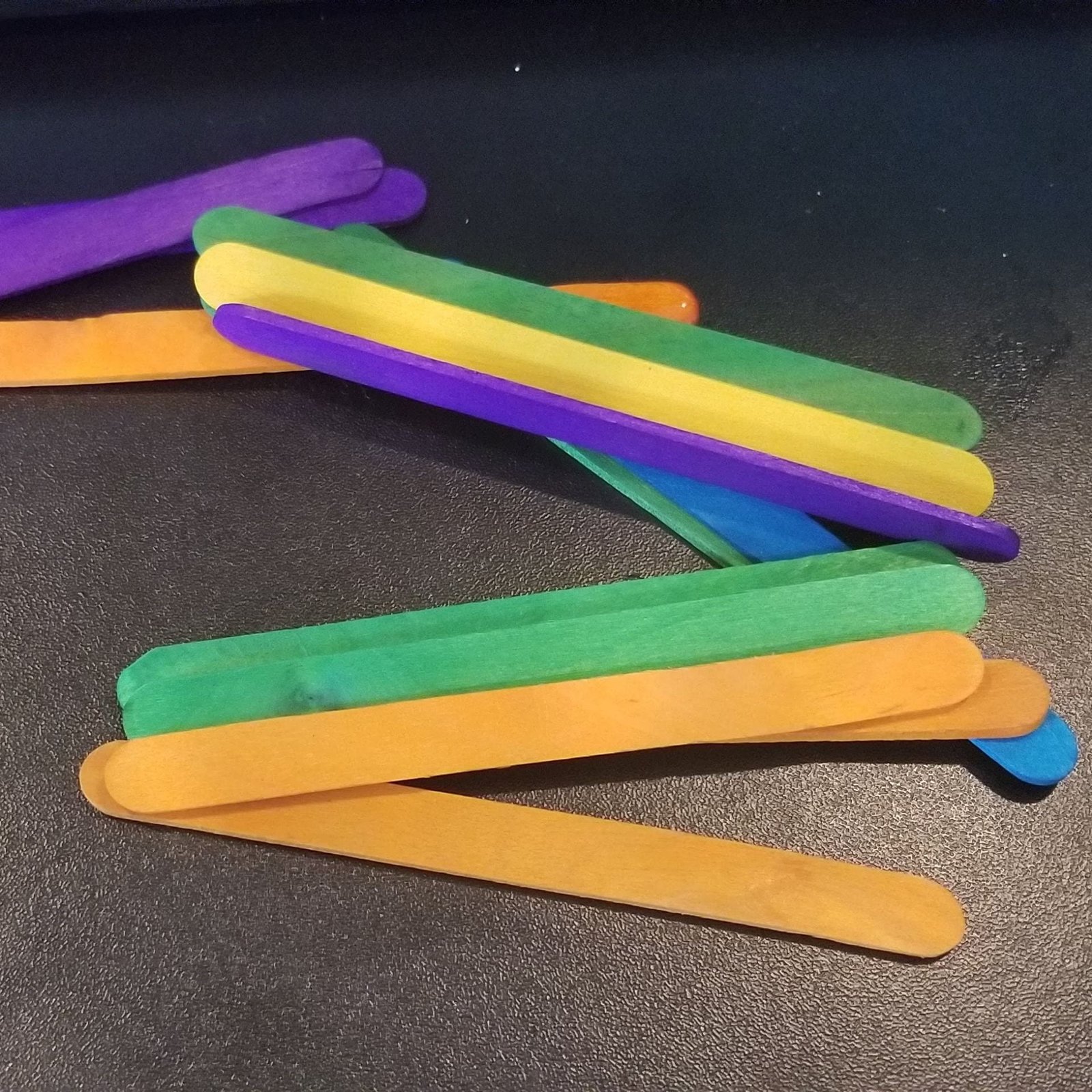
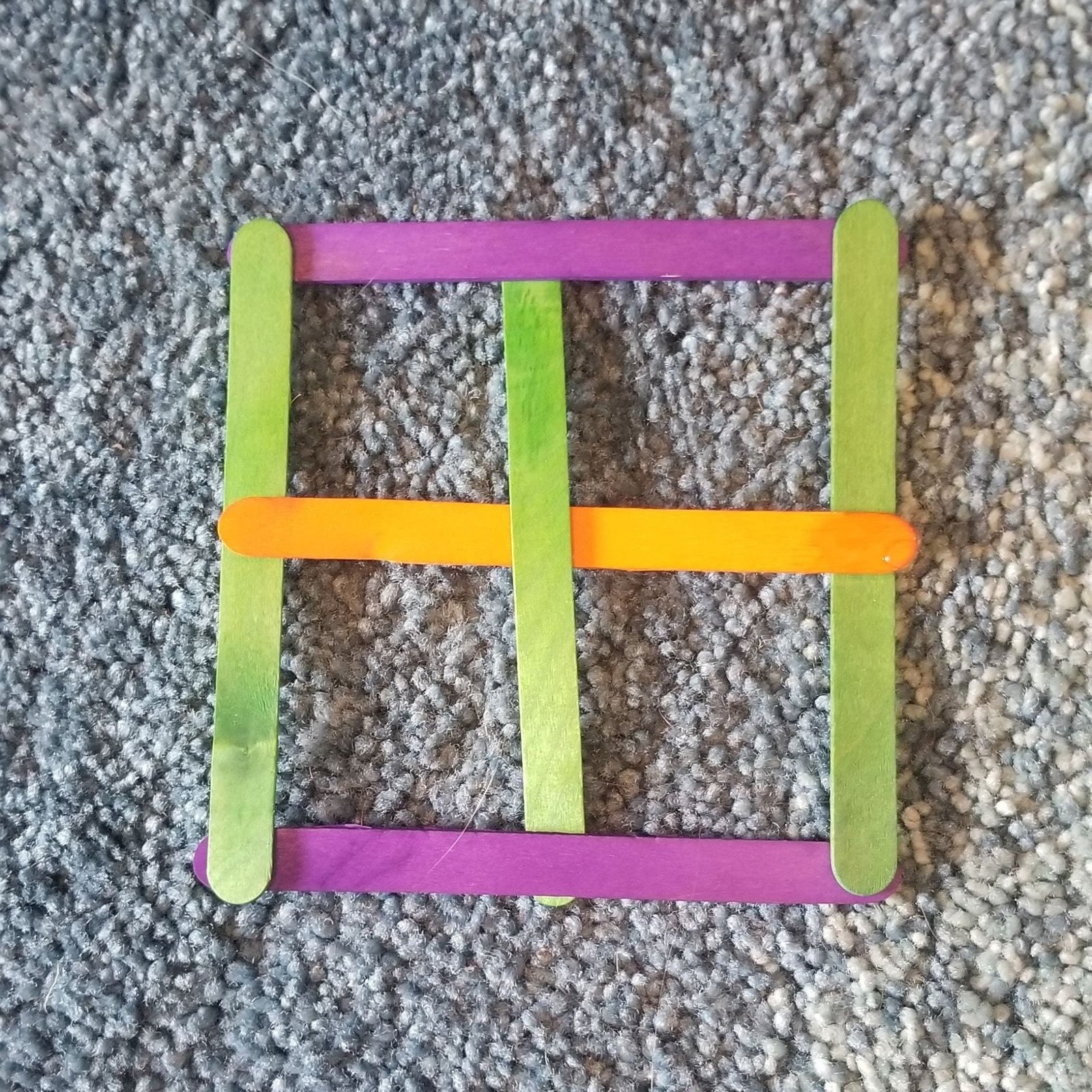
Material Profile: Popsicle Sticks
- source / manufacturing – where does this come from?
- safety / toxicity – Made of white birch wood. FDA/EU approved for food contact.
- responsible reuse / disposal options – Can be composted.
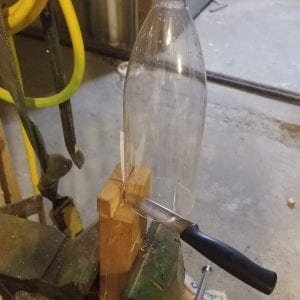
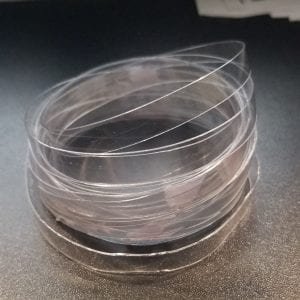
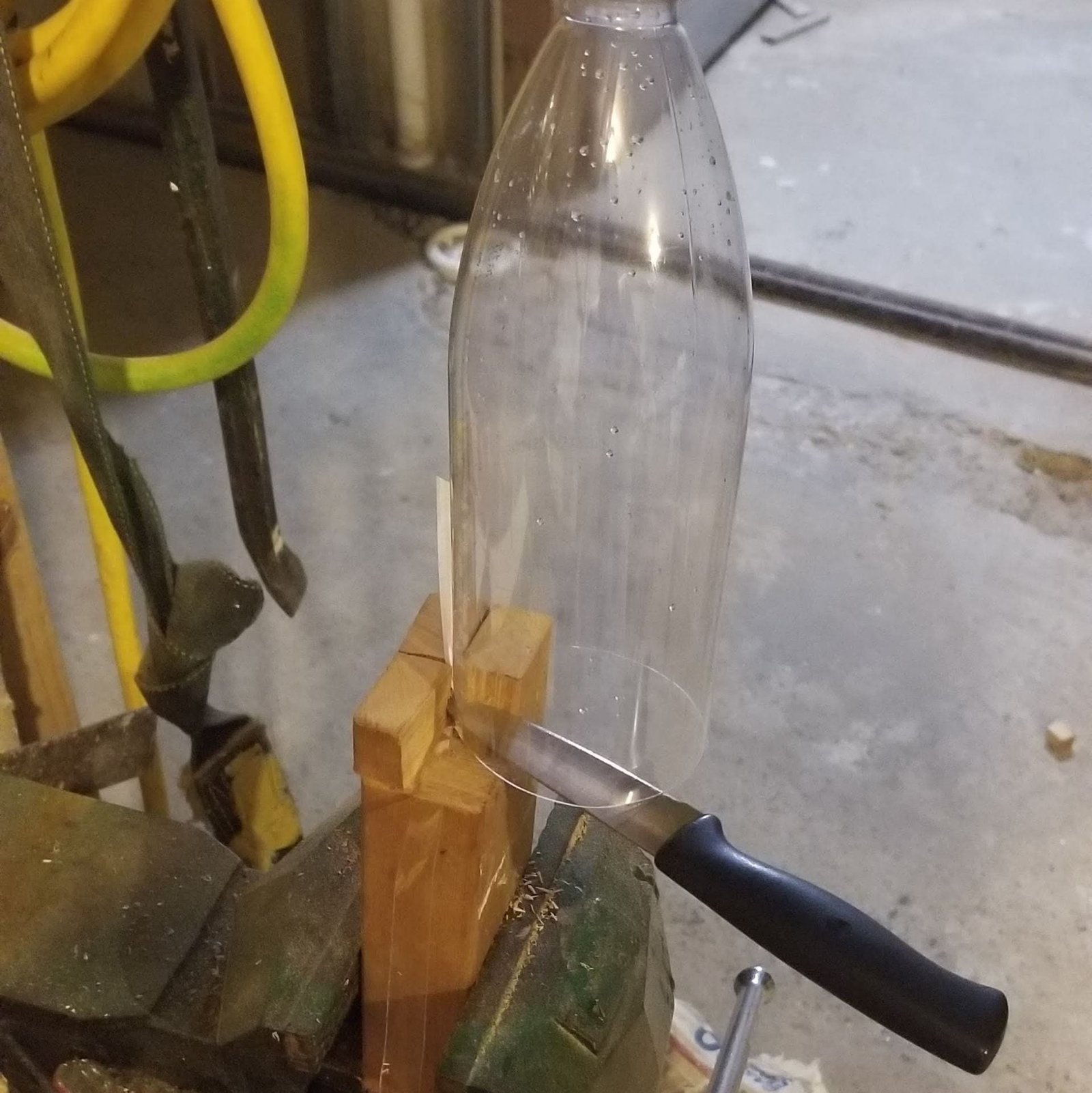
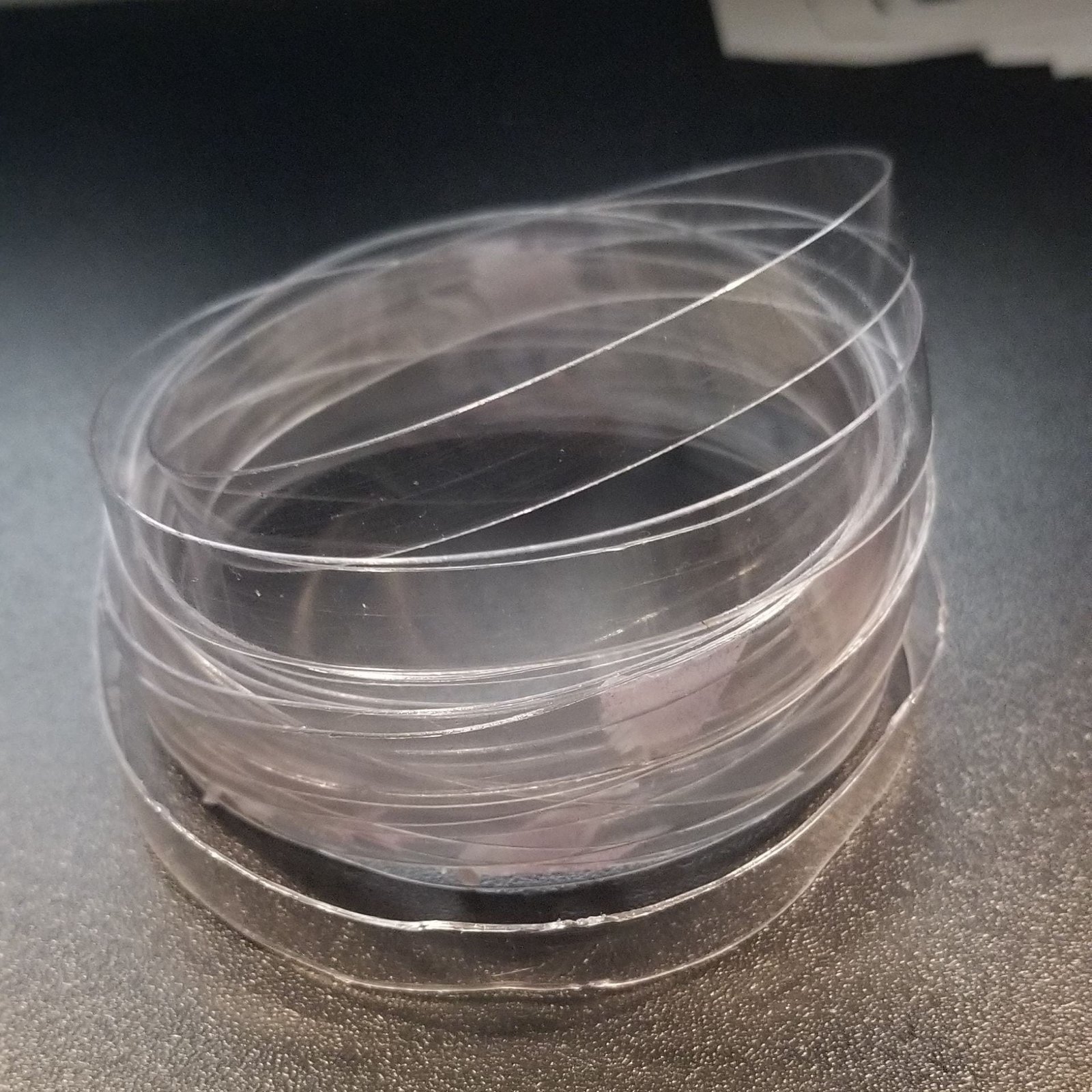
Material Profile: Plastic Bottle
- source / manufacturing – Plastic bottles are made of polyethylene terephthalate otherwise known as PET.
- safety / toxicity – There are no chemical phthalates or BPA.
- responsible reuse / disposal options – Can be recycled.
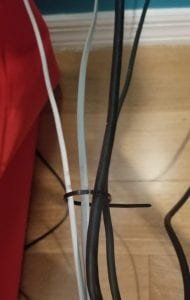
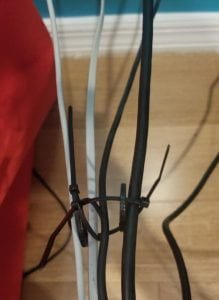
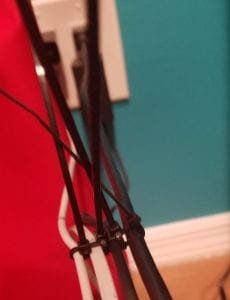
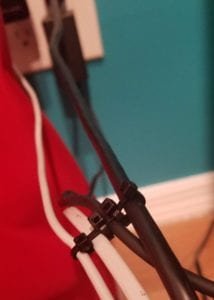
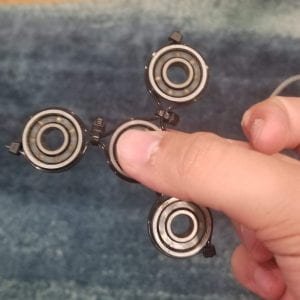
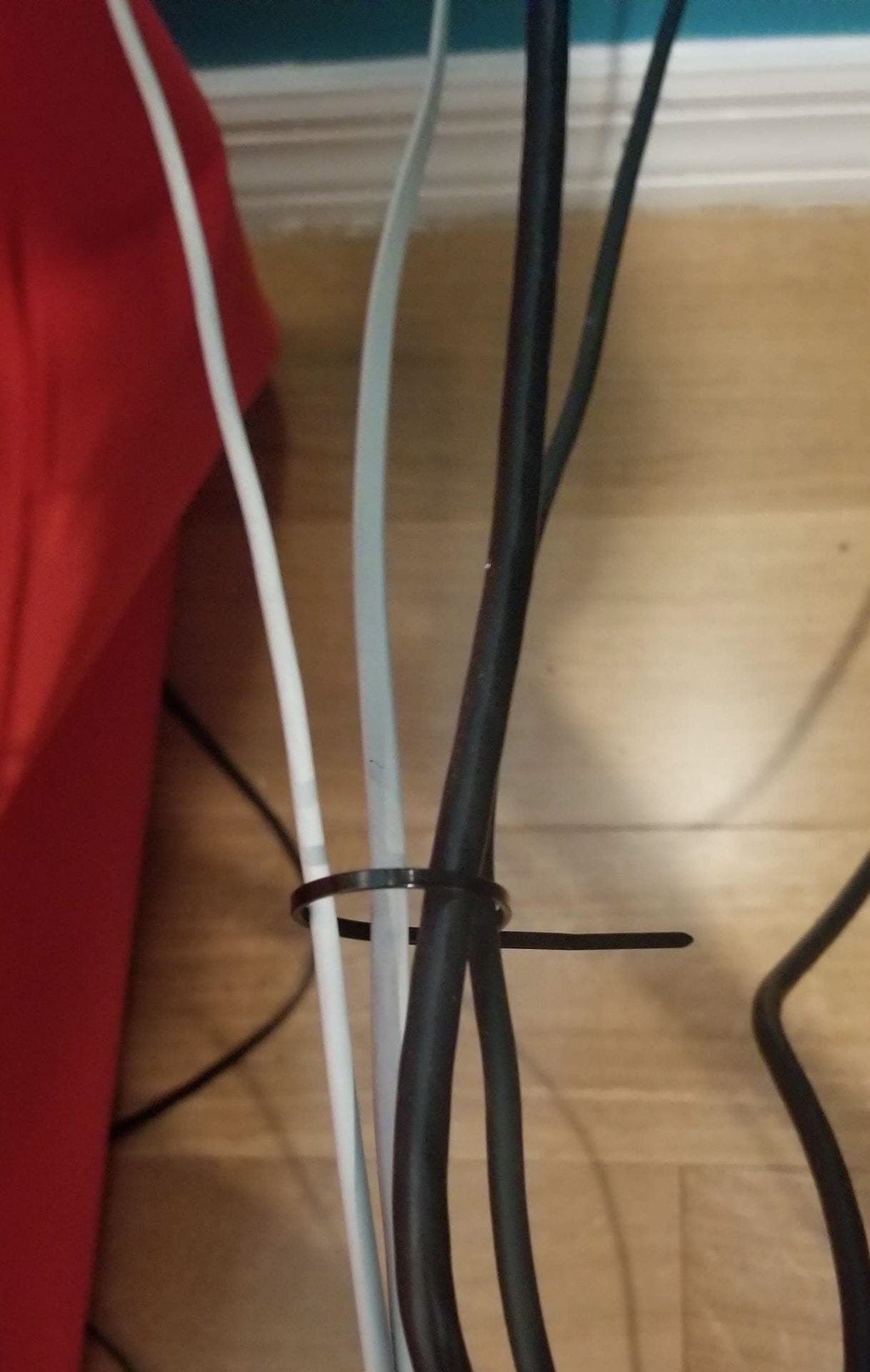
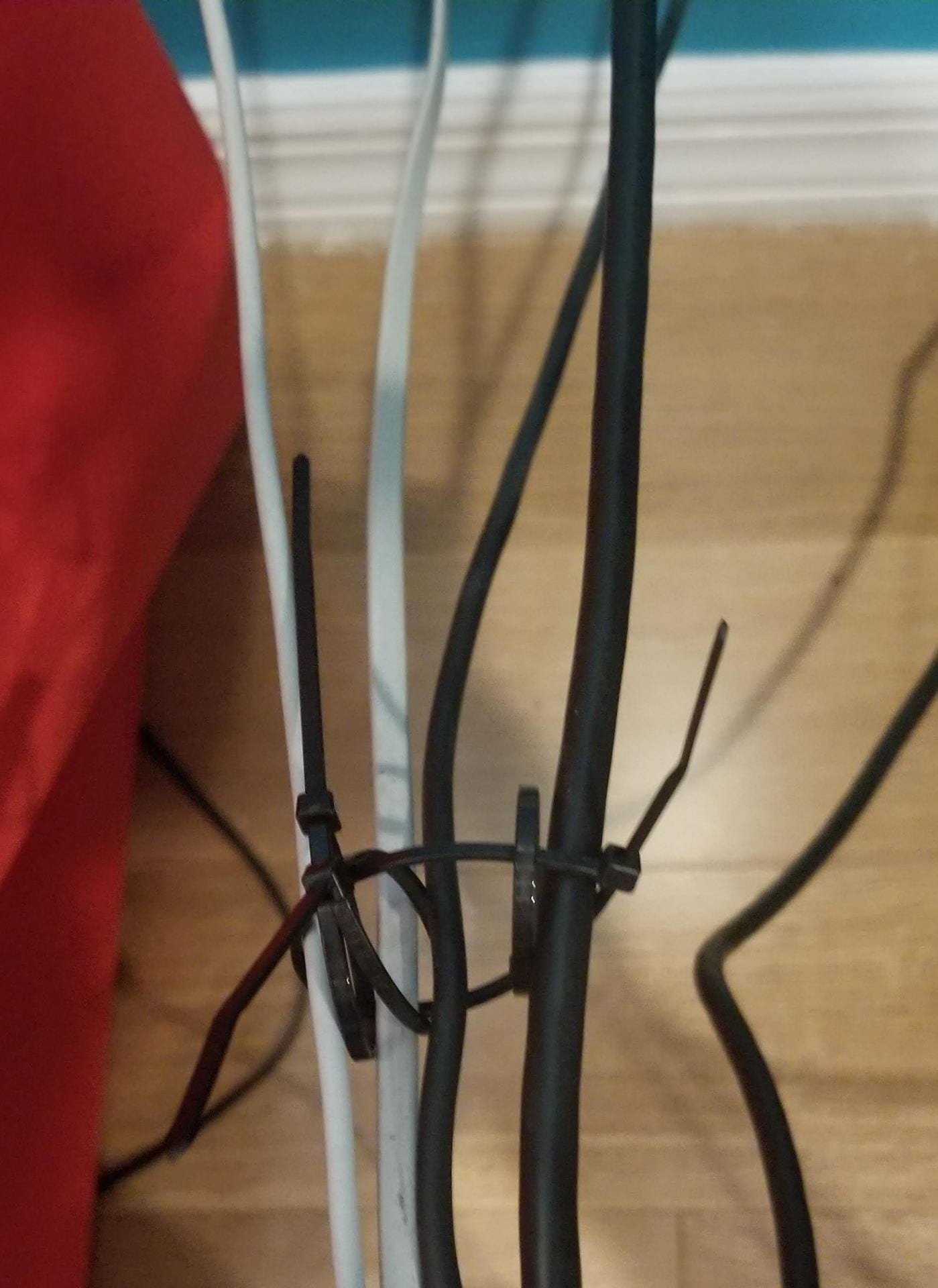
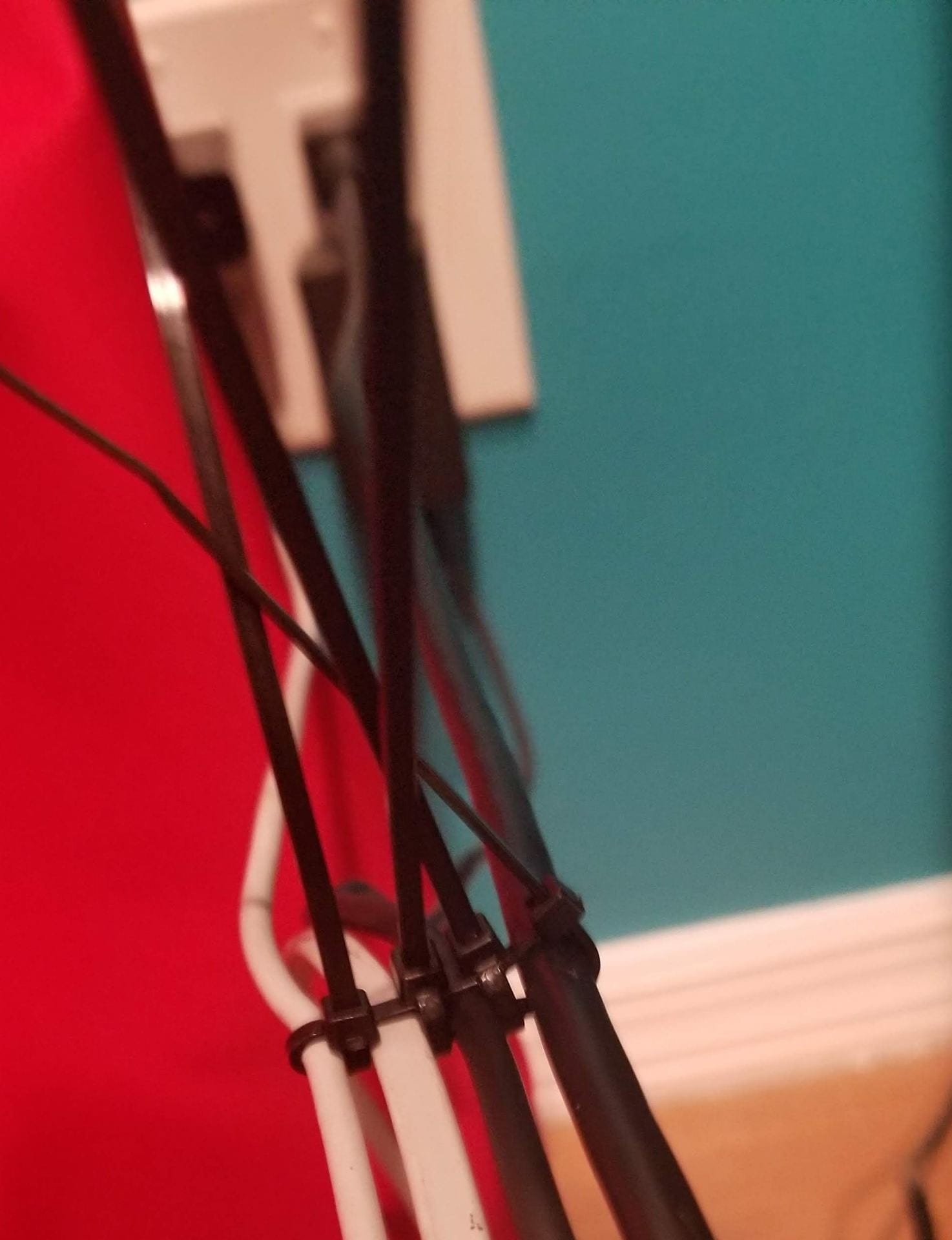
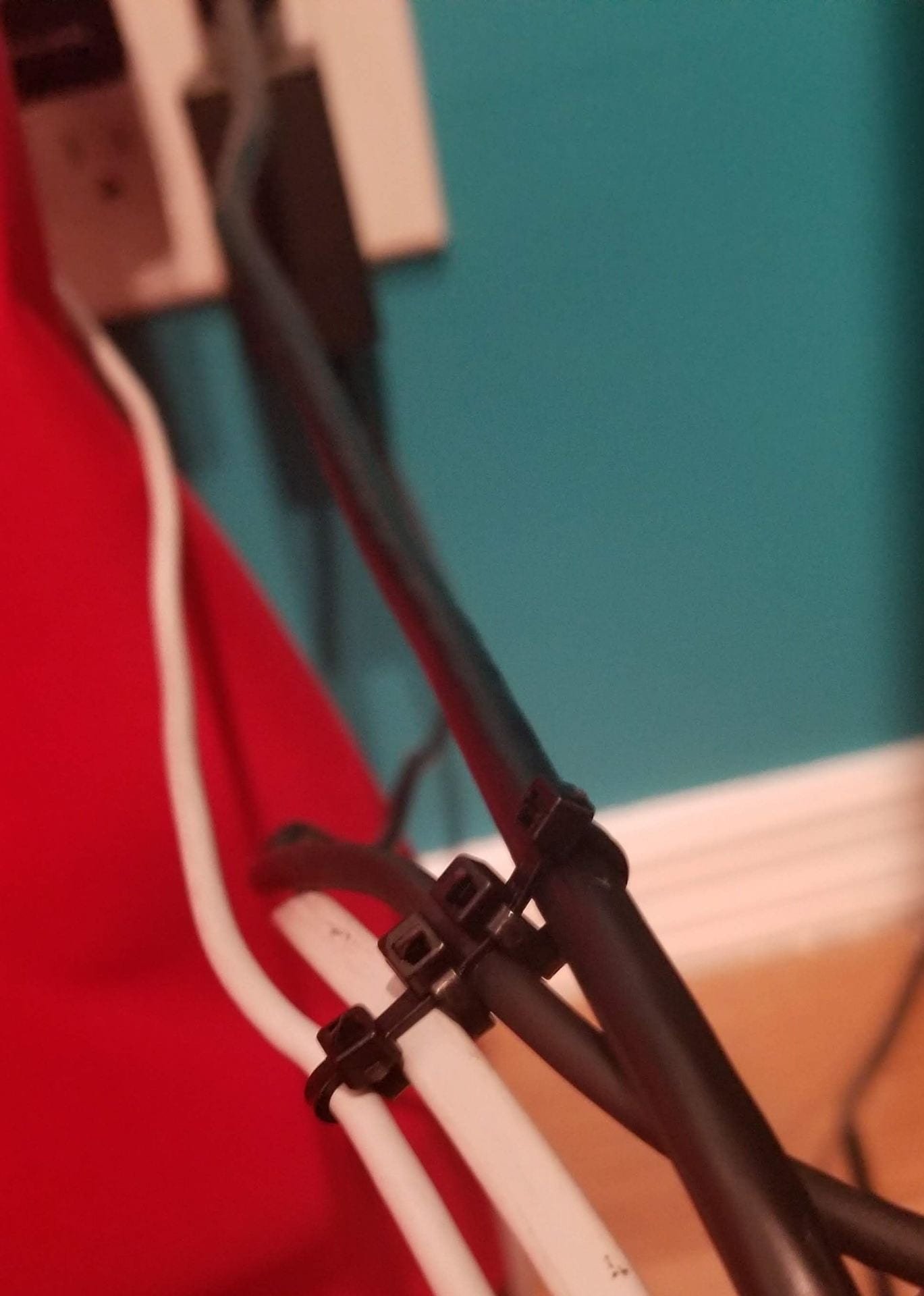
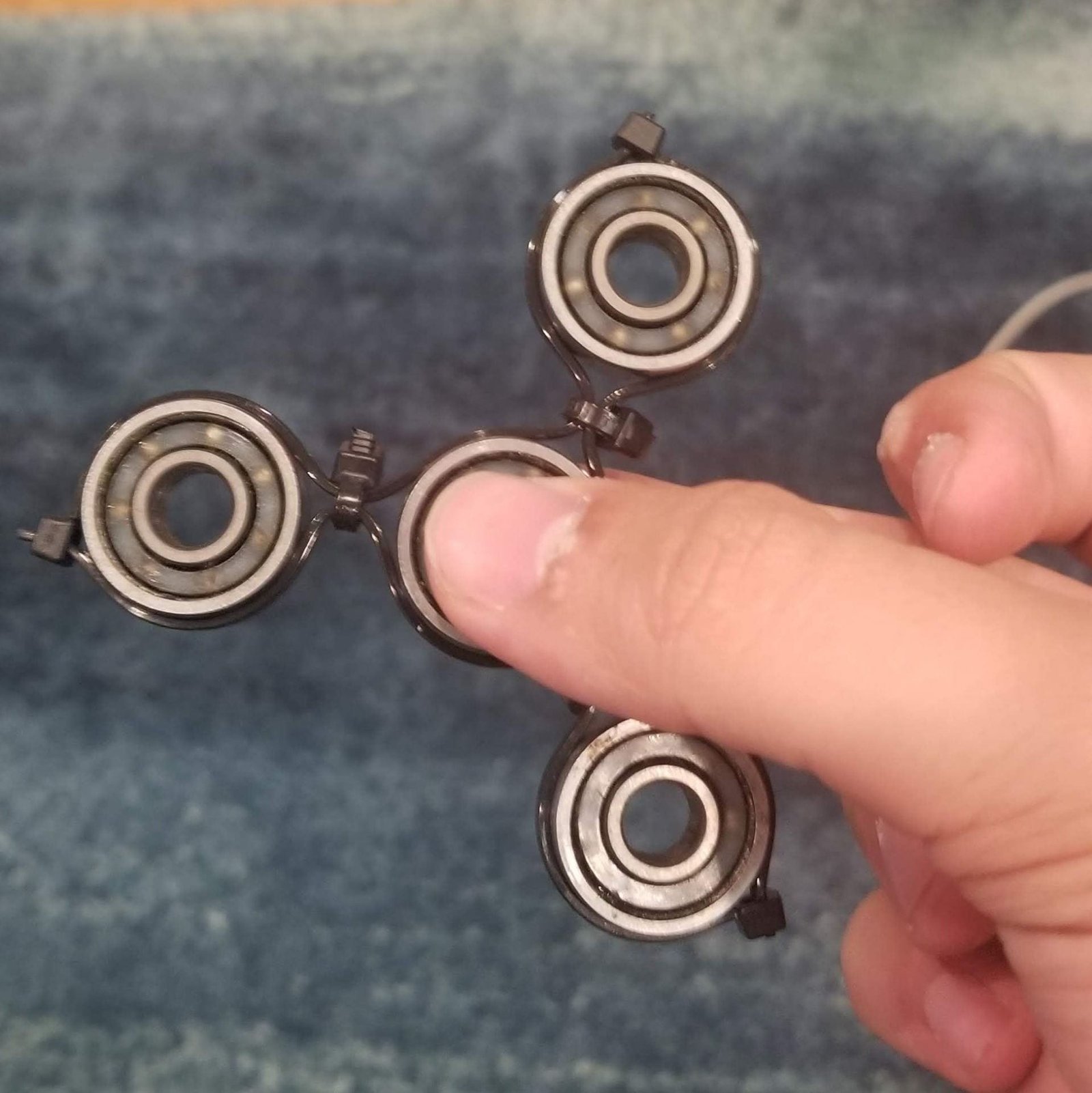
Material Profile: Zip-Ties
- source / manufacturing – They are injection molded.
- safety / toxicity – Made of nylon which is completely free of toxic properties.
- responsible reuse / disposal options – Can be Recycled
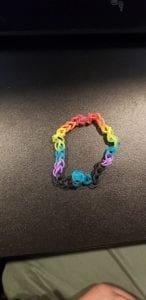
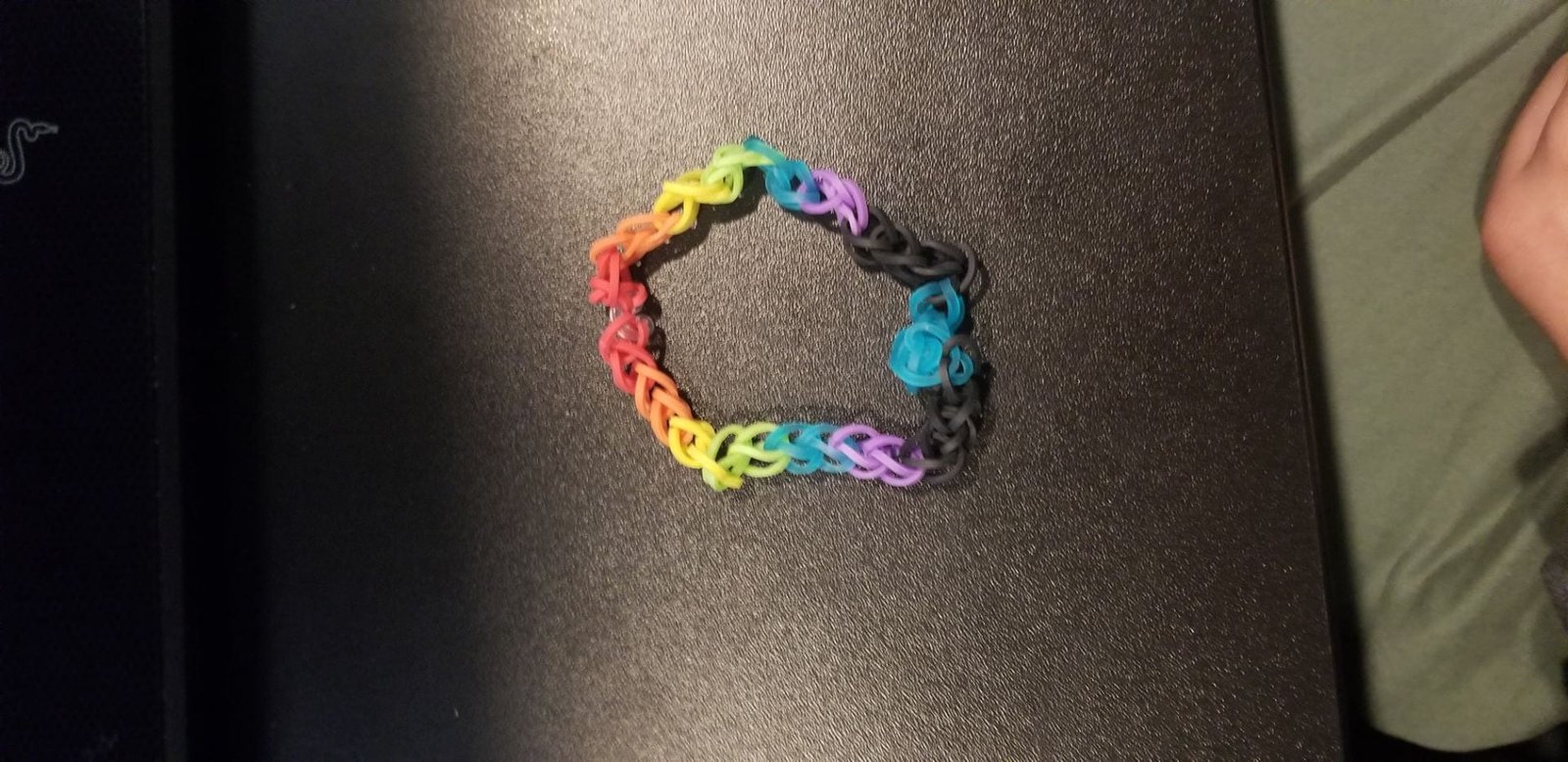
Material Profile: Rubber Bands
- source / manufacturing -Rubber bands are made by extruding rubber into a long tube to provide, curing the rubber with heat, and then slicing it across the width of the tube into little bands.
- safety / toxicity – Rubber bands are made of organic rubber with certain additives. Nothing in them is usually toxic.
- responsible reuse / disposal options – They are not compostable or recyclable but are very handy in everyday use.
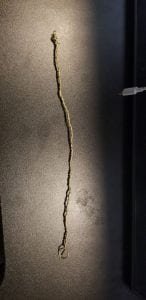
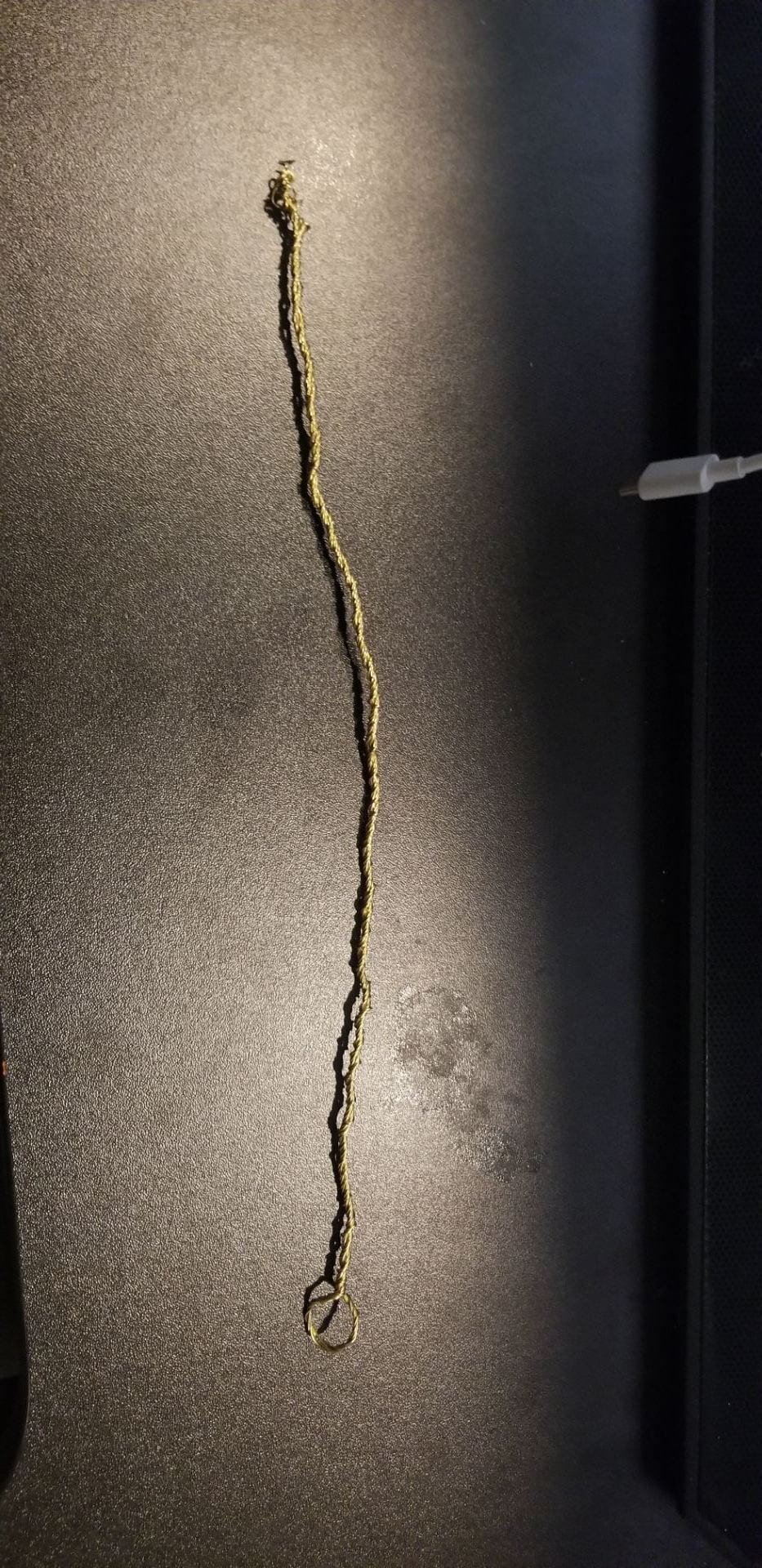
Material Profile: Brass Wire
- source / manufacturing – where does this come from?
- safety / toxicity –
- responsible reuse / disposal options – what can you do with at the end of use?
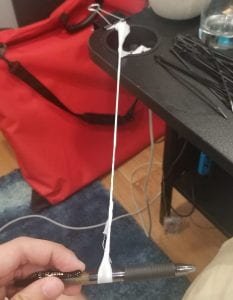
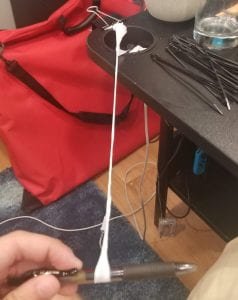
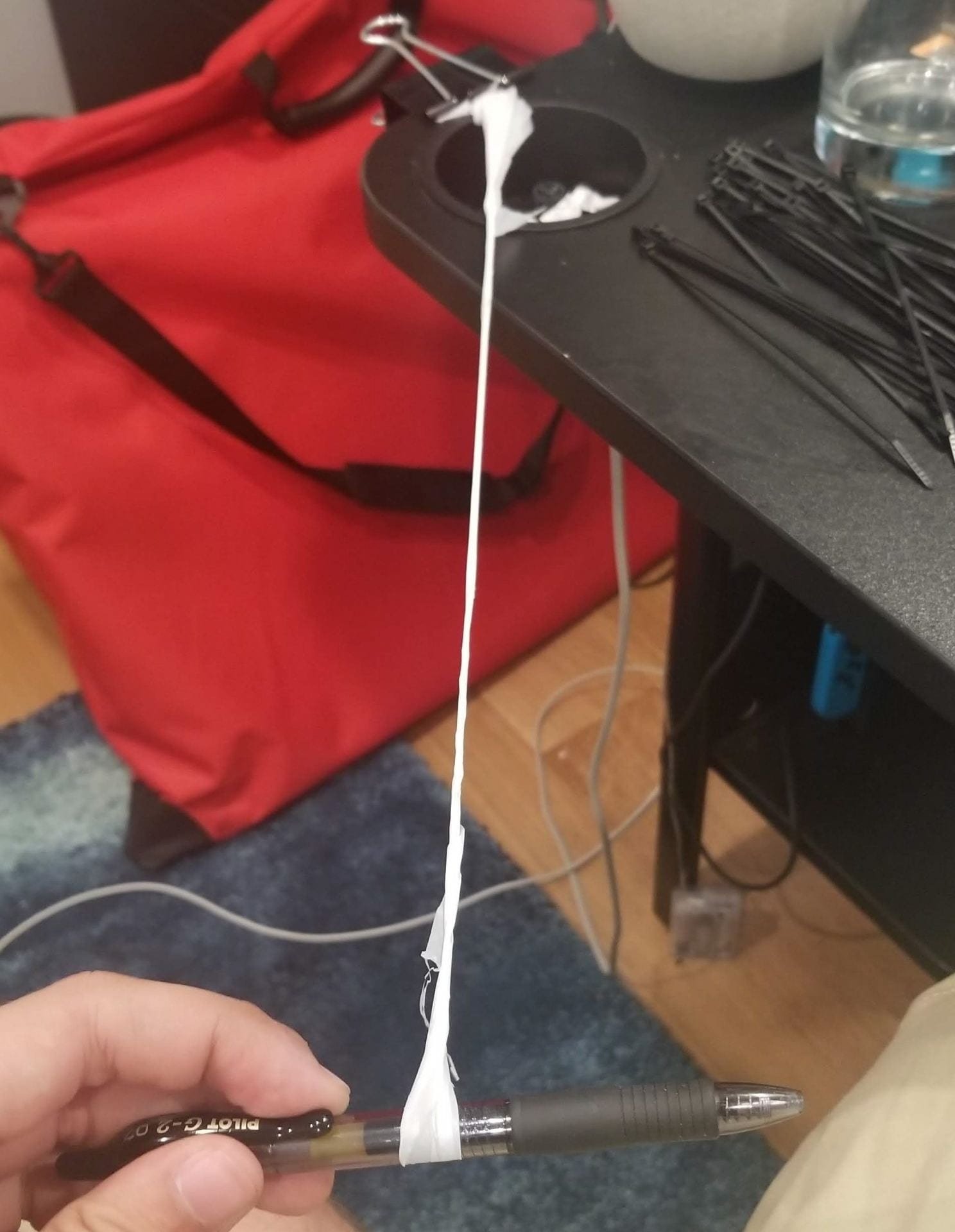
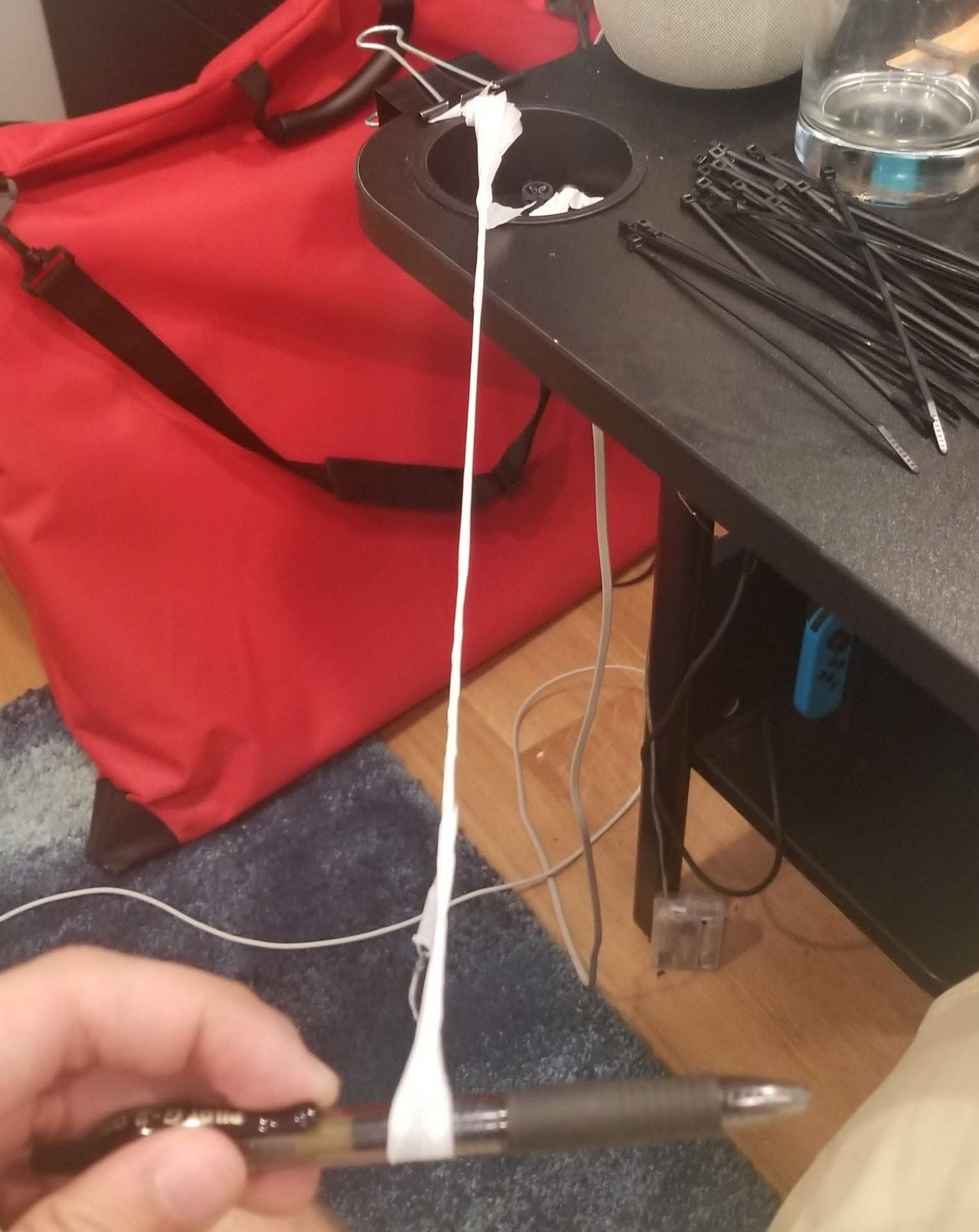
Material Profile: Plastic Bag
- source / manufacturing – Plastic bags are made through a blown-film extrusion process.
- safety / toxicity – Polyethylene which plastic bags are made of comes either from refined oil or natural gas.
- responsible reuse / disposal options – Can be recycled.
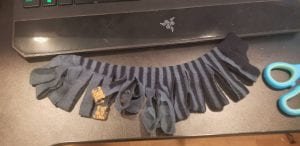
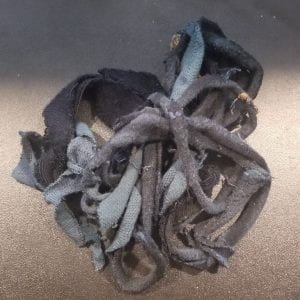
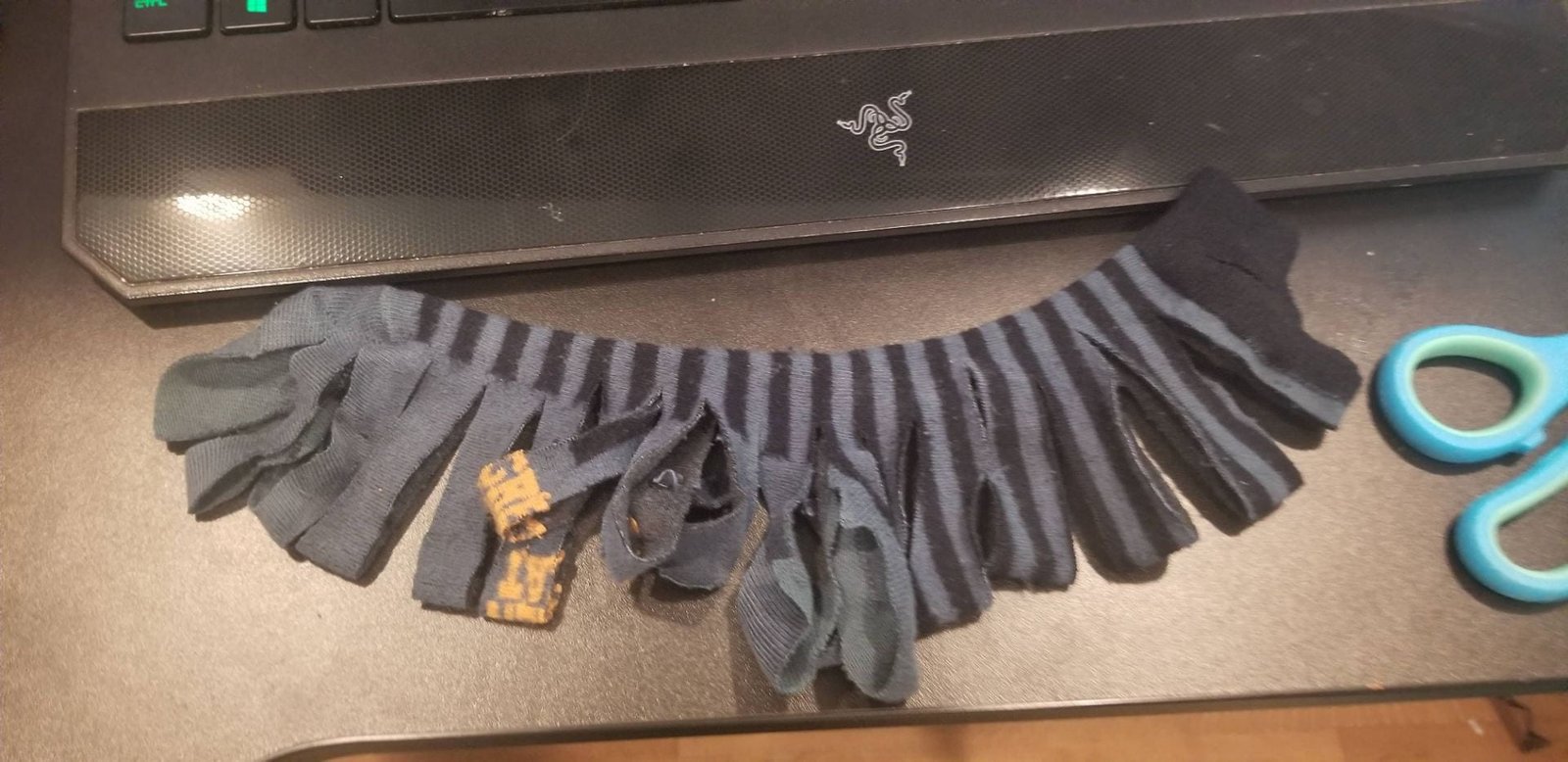
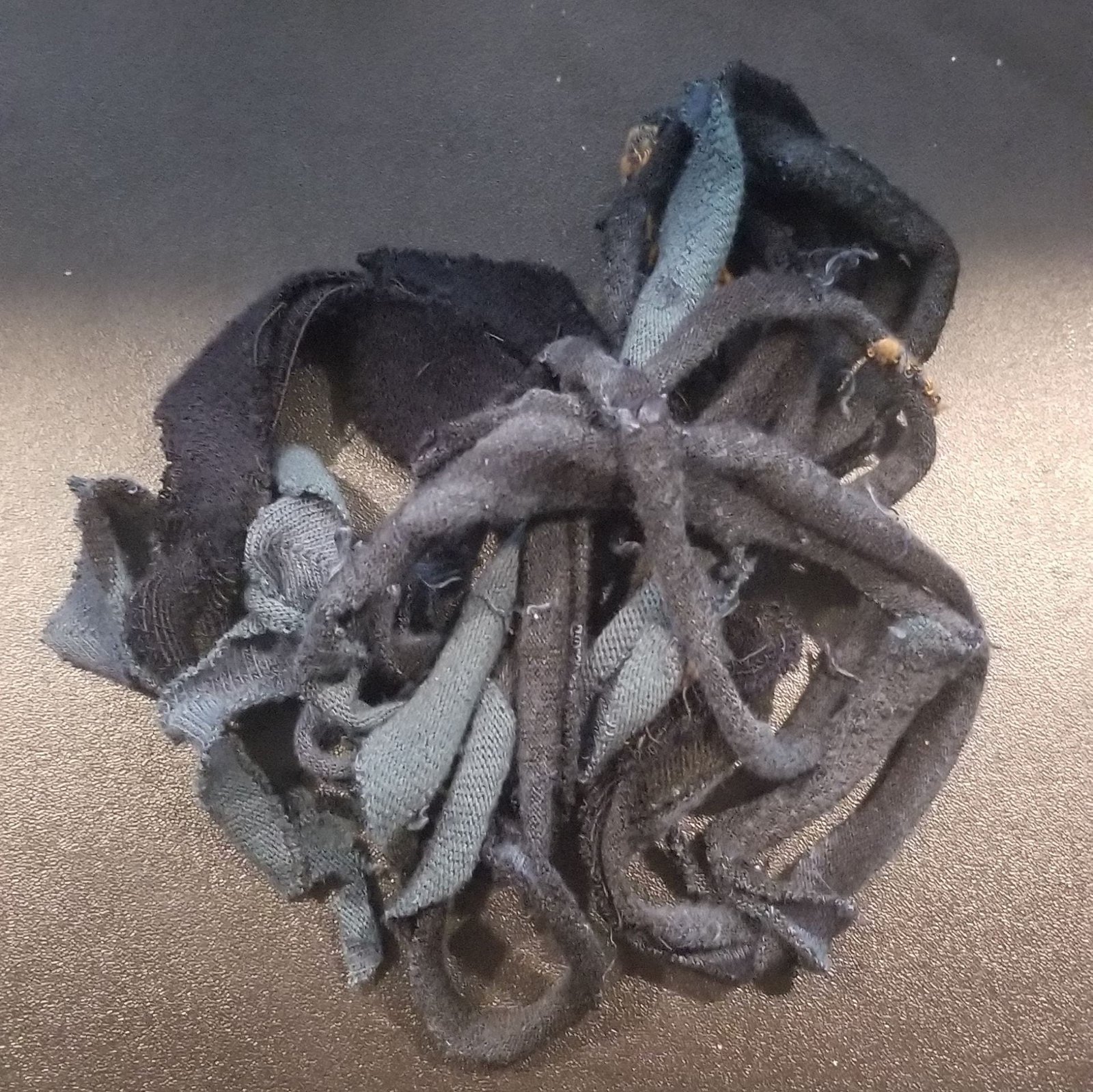
Material Profile: Sock
- source / manufacturing -Once sewn, socks are placed on forms shaped like a foot, and then, with steam, they are pulled and ironed to stretch the sock.
- safety / toxicity – Cotton, which is all-natural and non-toxic.
- responsible reuse / disposal options – what can you do with at the end of use?
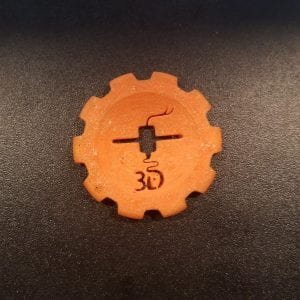
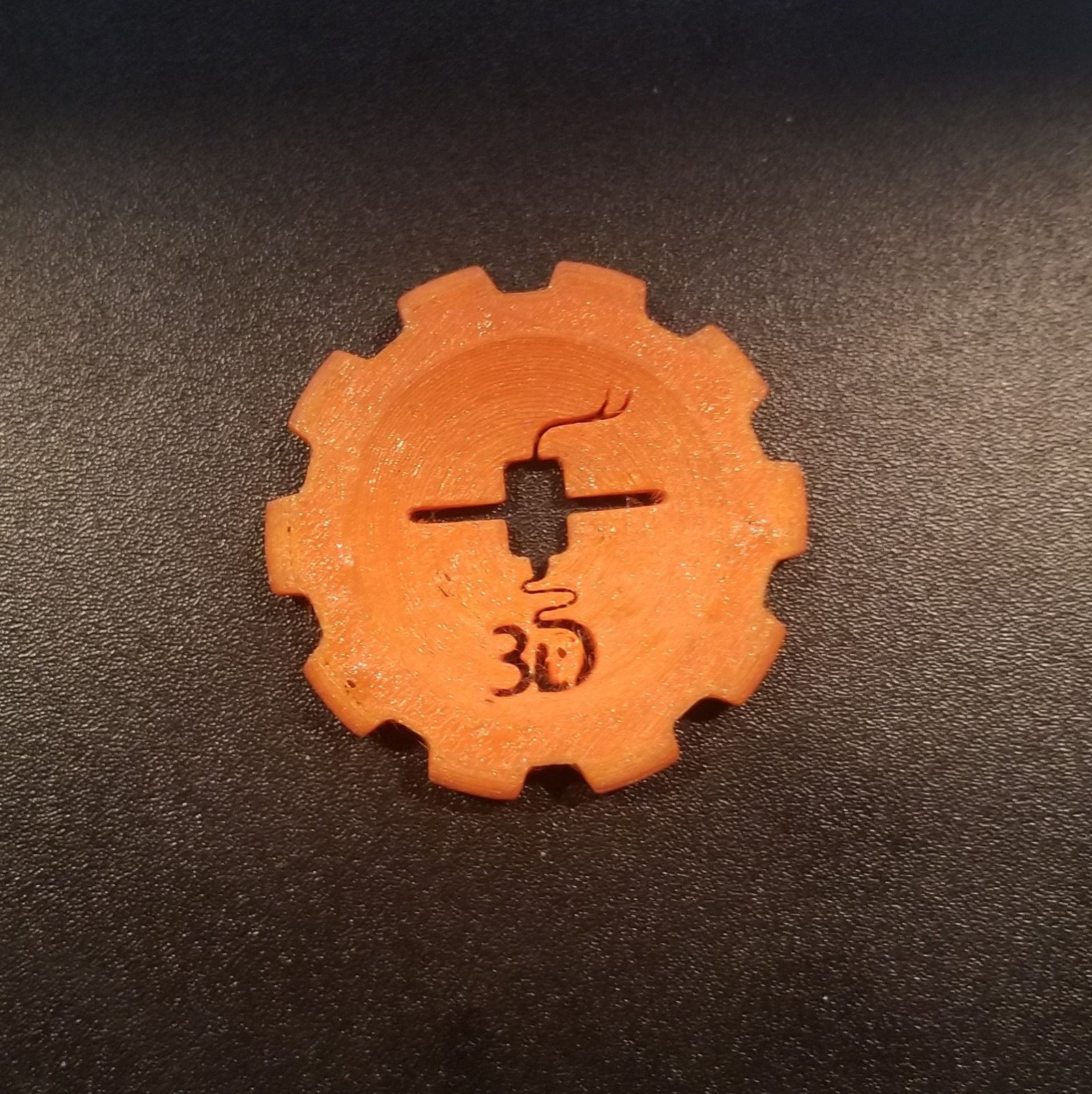
Material Profile: 3D Print
- source / manufacturing – This was 3D printed.
- safety / toxicity – The material is called TPU and is non-toxic and flexible.
- responsible reuse / disposal options – TPU is biodegradable within 3-5 years.
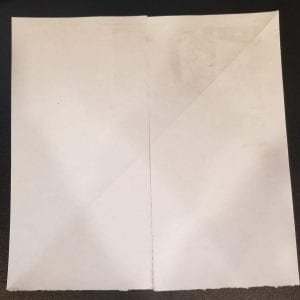
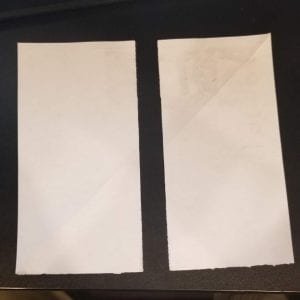
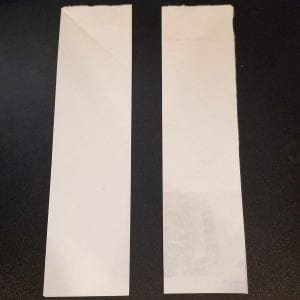
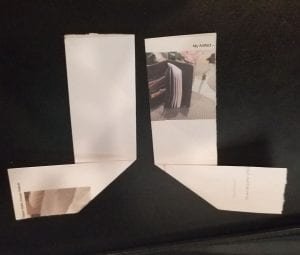
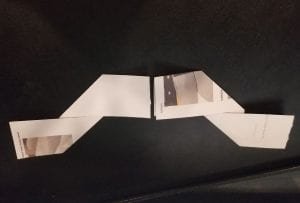
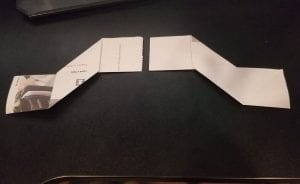
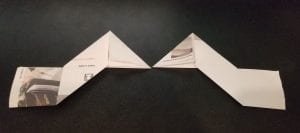
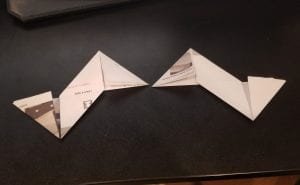
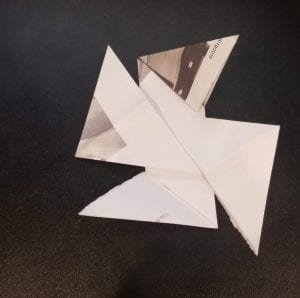
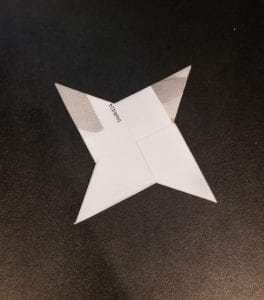
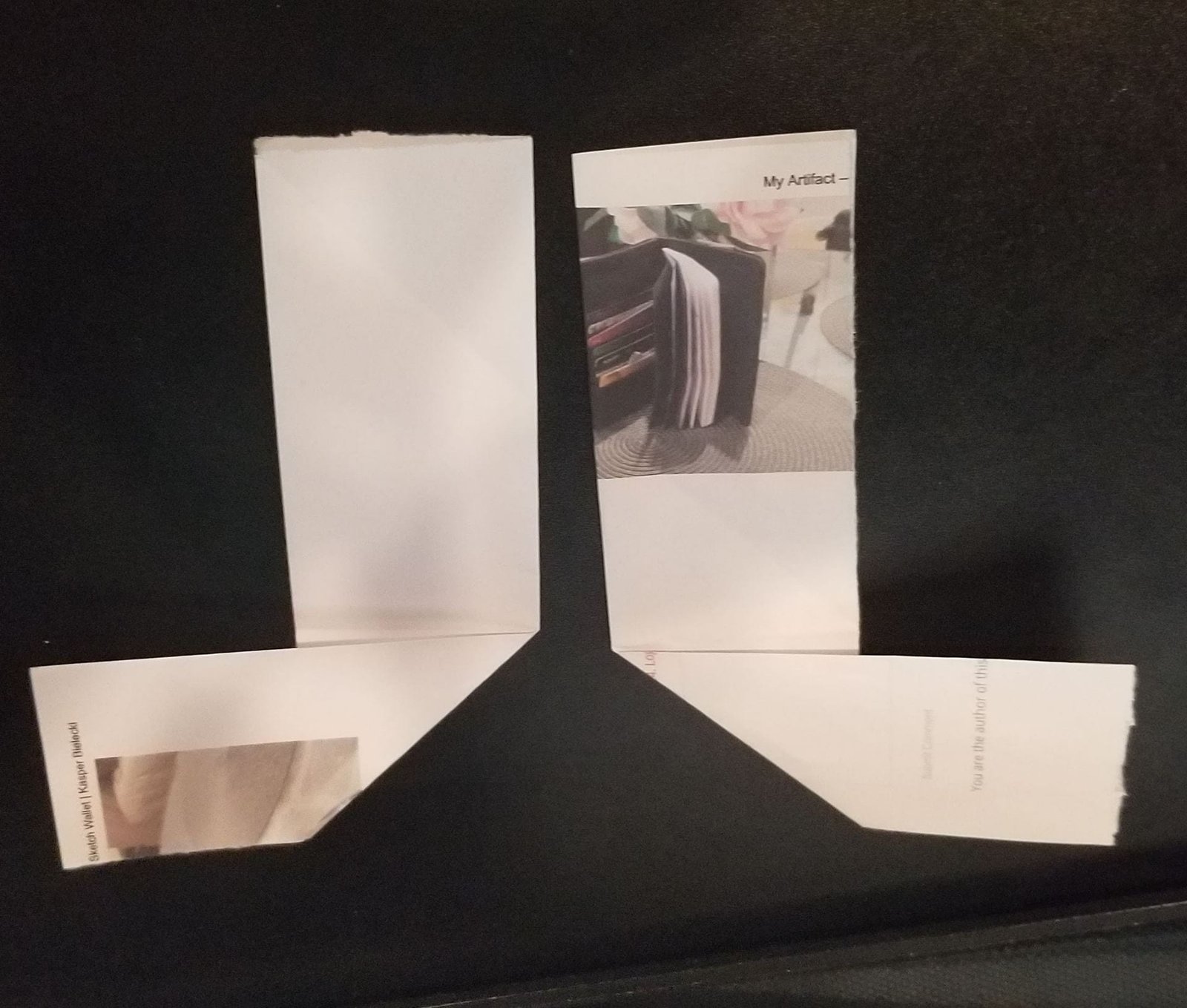
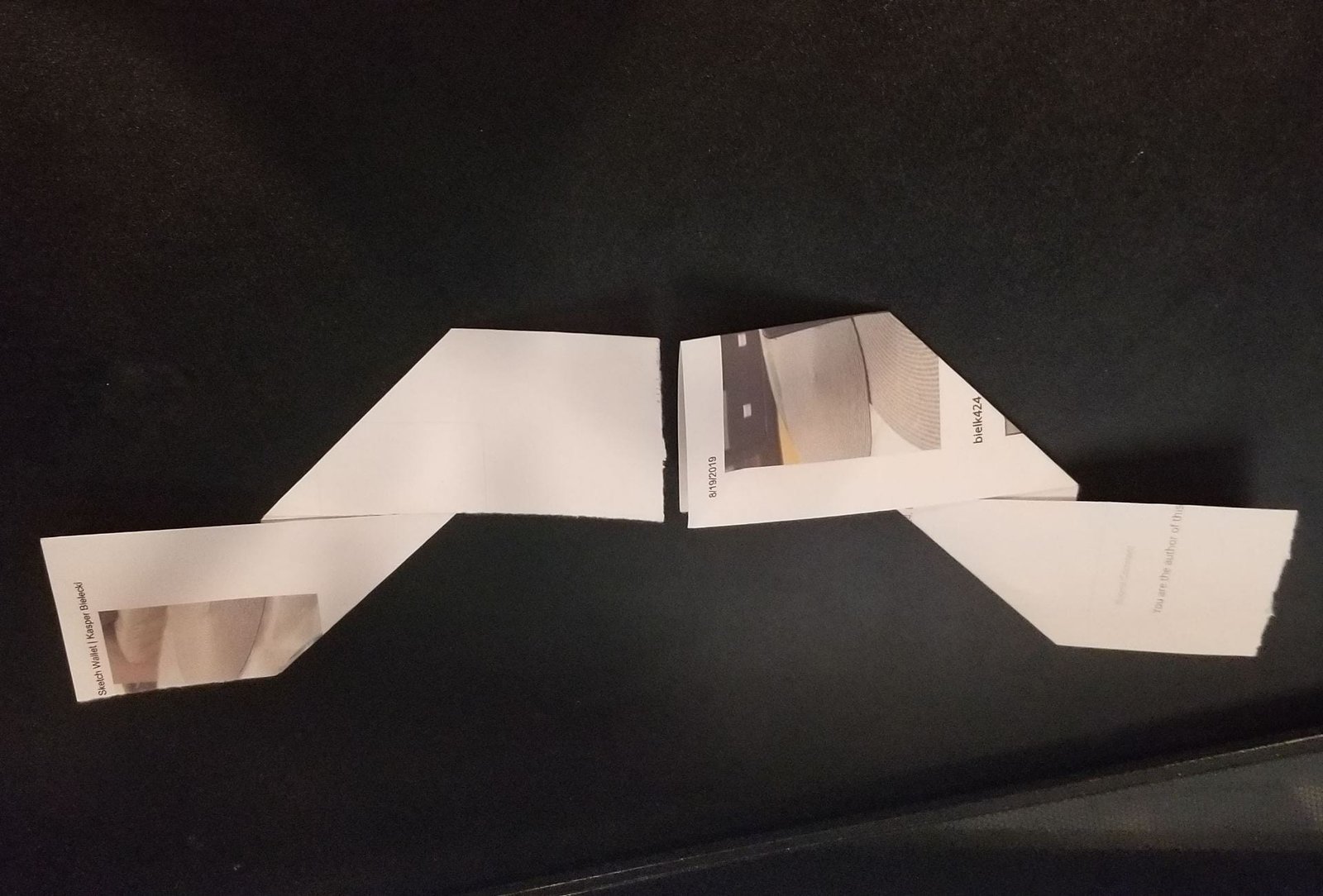
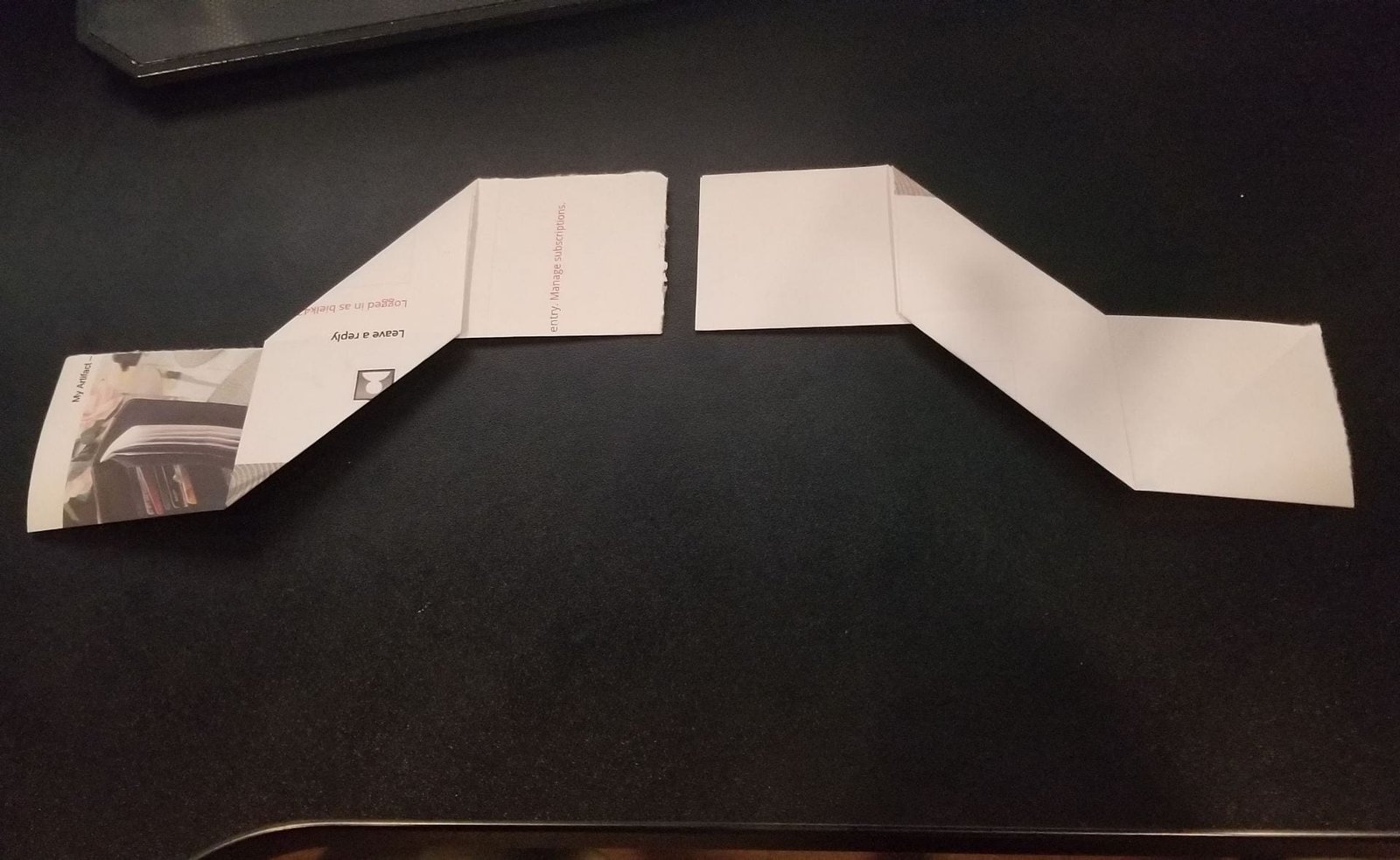
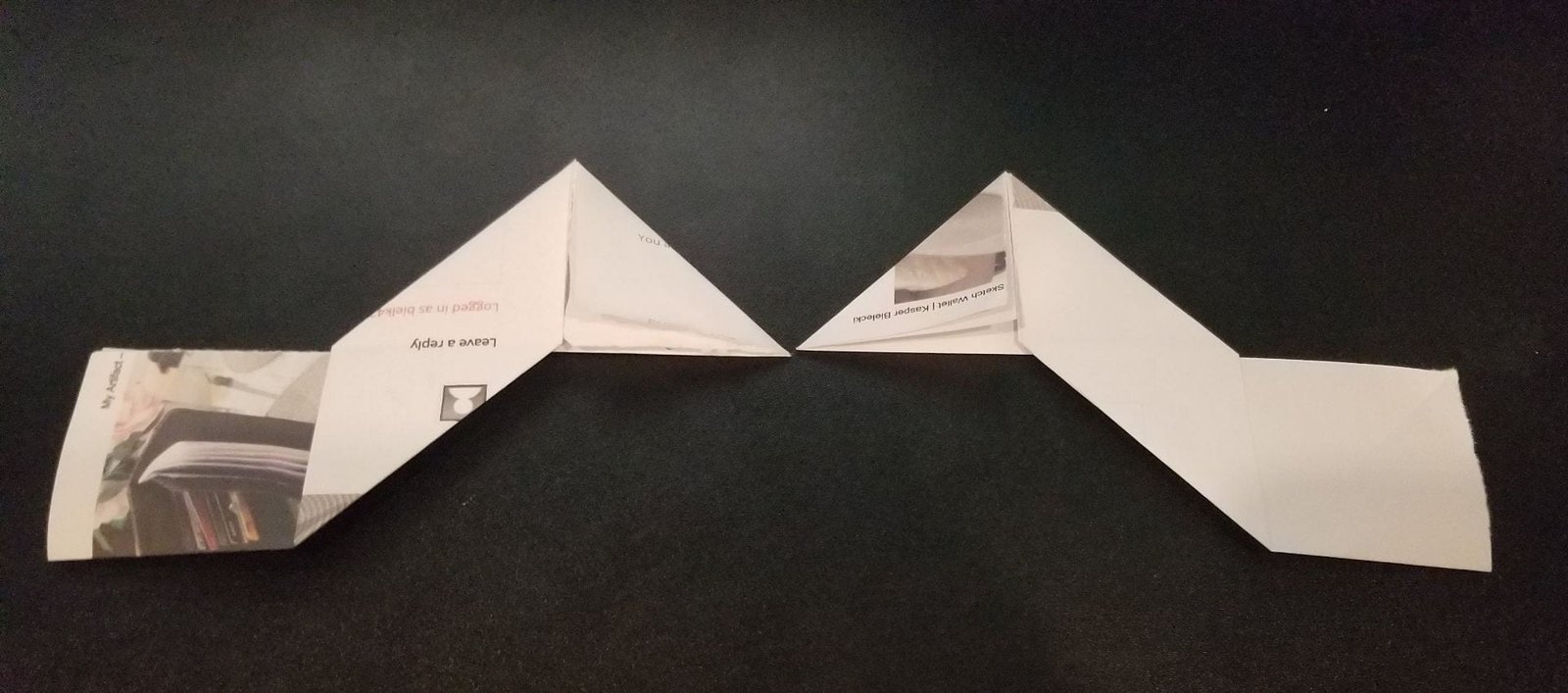
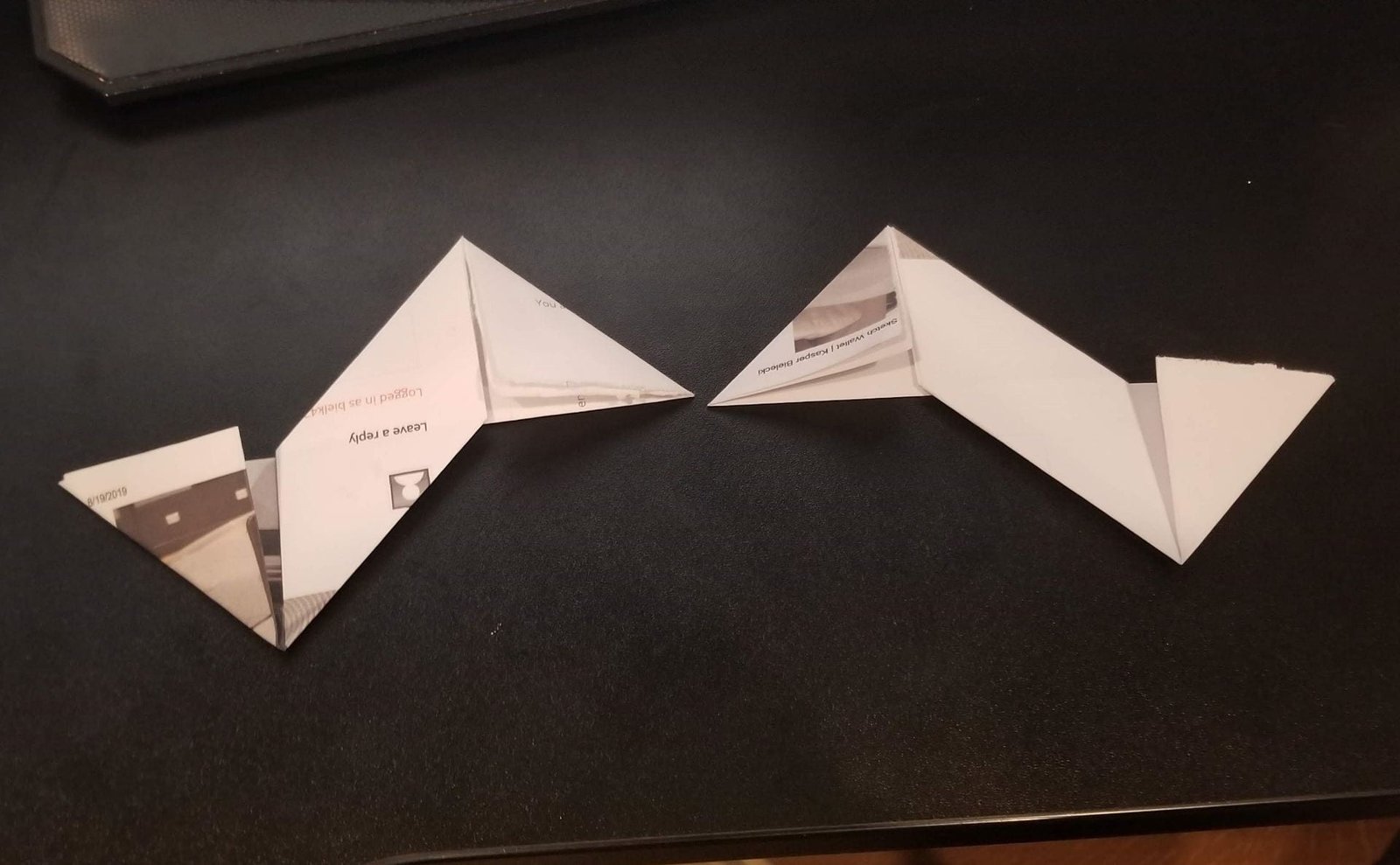
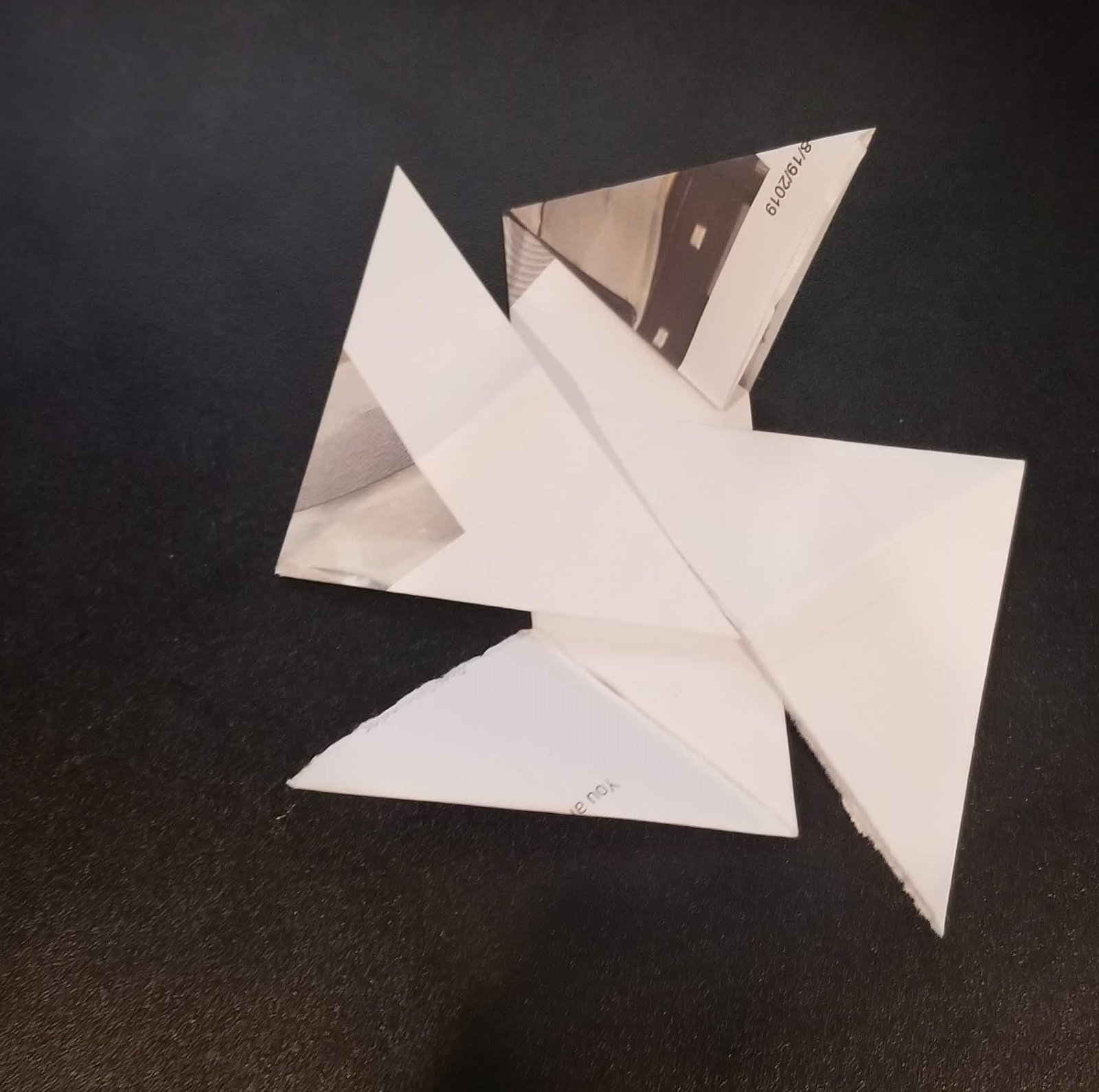
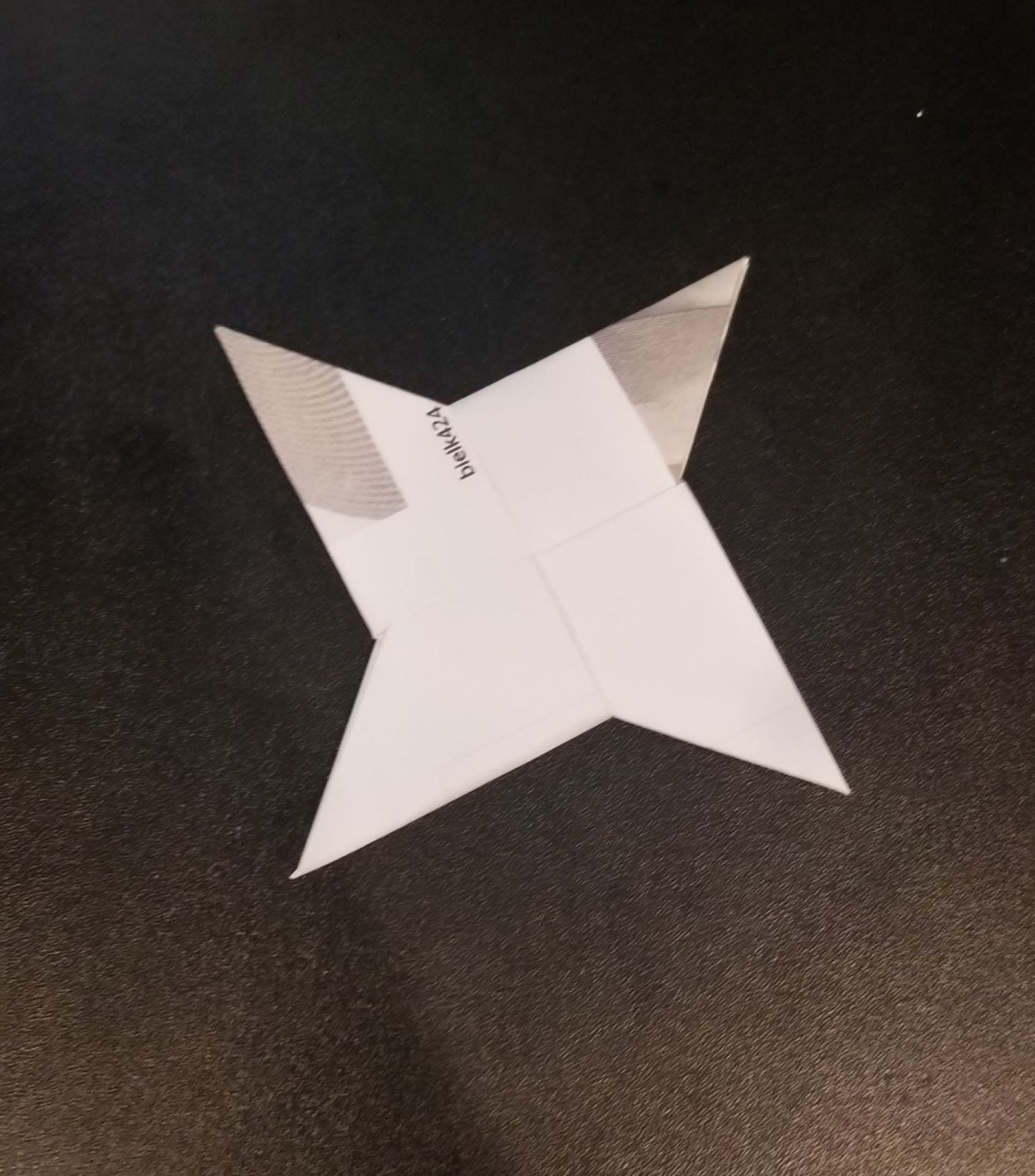
Favorite Method
Tools:
Your hands.
A flat hard object to crease
Square paper
Tips:
Press firmly with a hard object to crease.
Don’t rush. Take your time.
Remove as much moisture from the environment as possible.
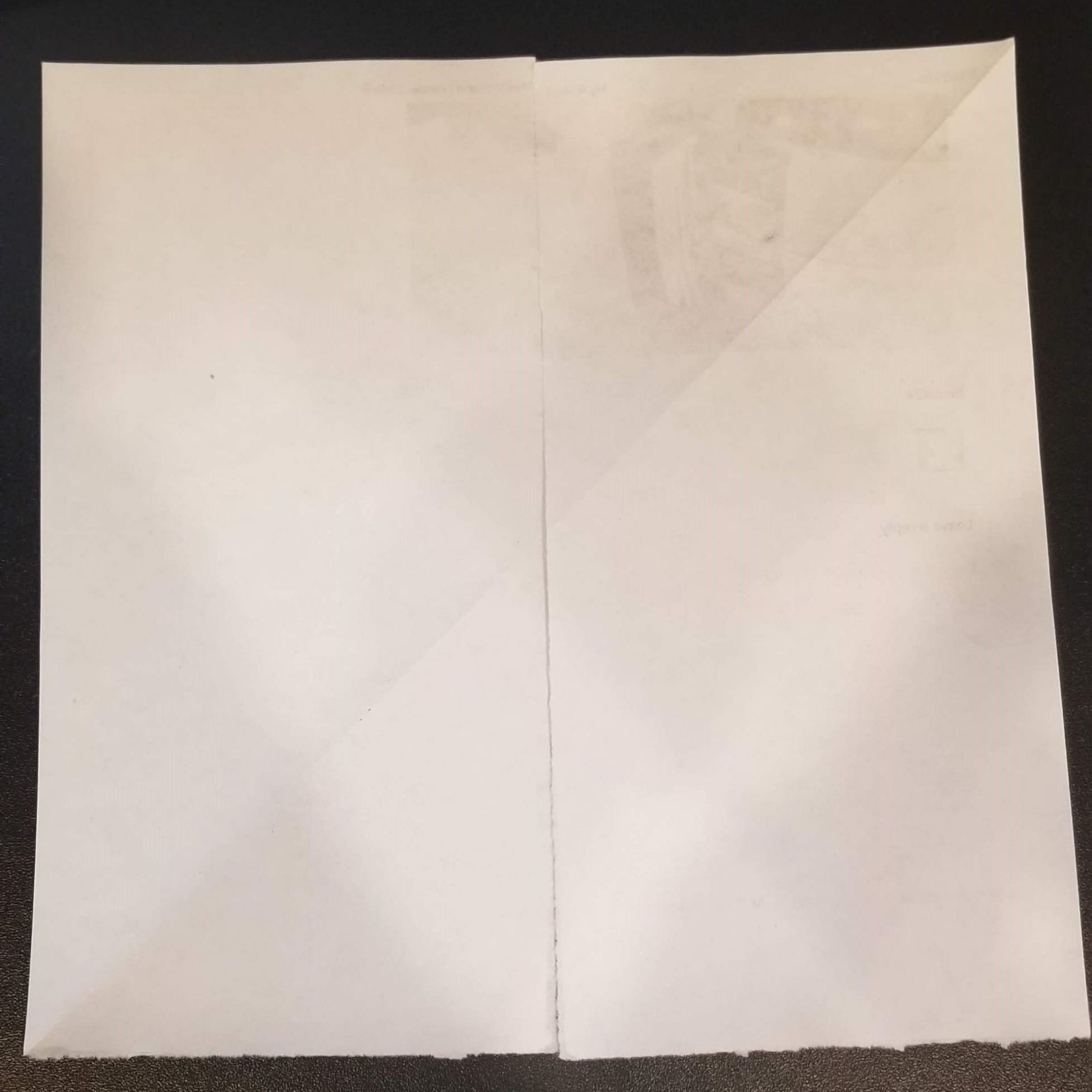
Material Profile: Paper
- source / manufacturing – Paper is flattened, dried, and cut into sheets and rolls.
- safety / toxicity – Cellulose fibers which are extracted from a variety of sources and converted to pulp.
- responsible reuse / disposal options – Can be recycled.
Originally posted on my Parsons Learning Portfolio.