From the class Integrative Studio 1 · Fall 2019
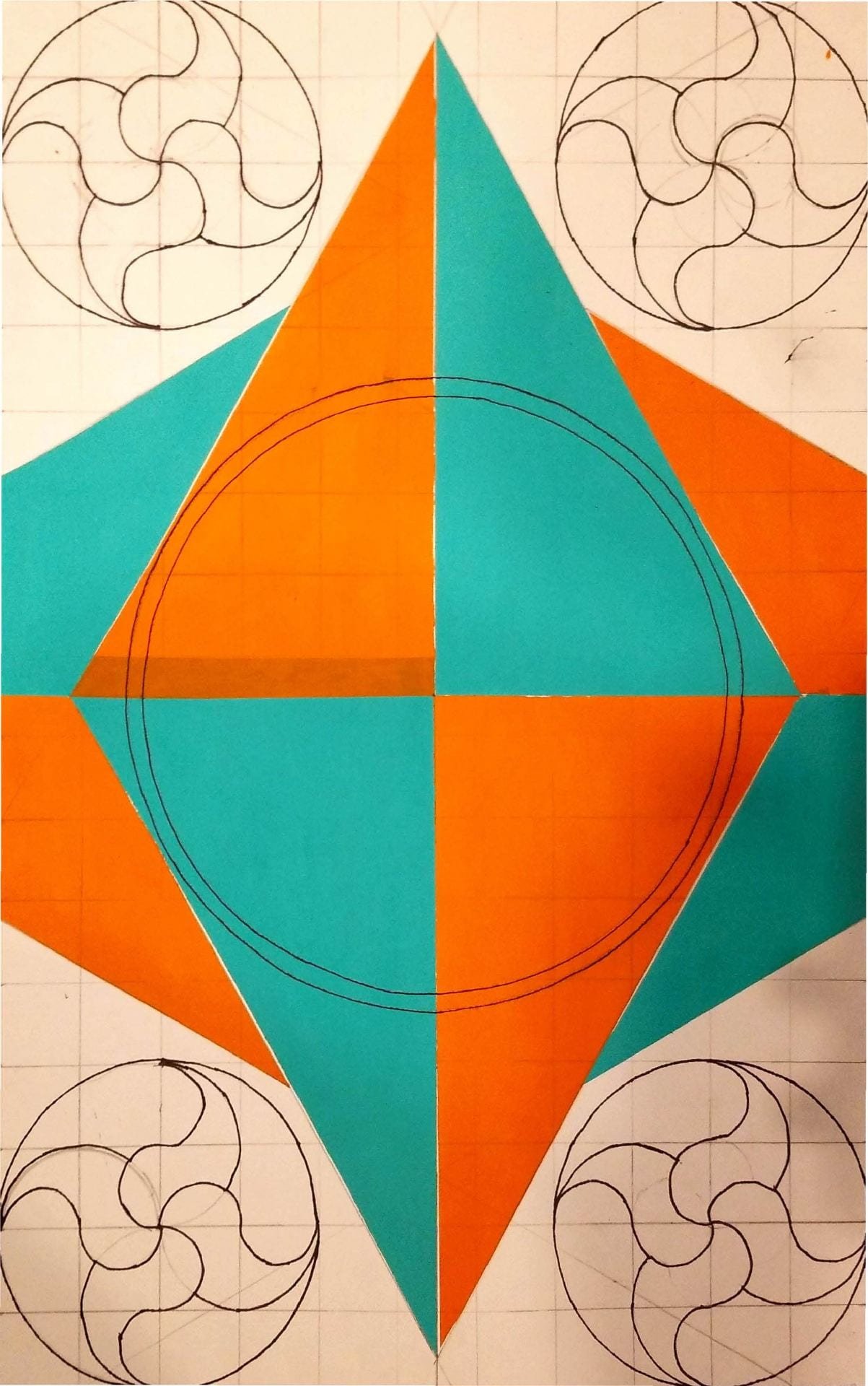
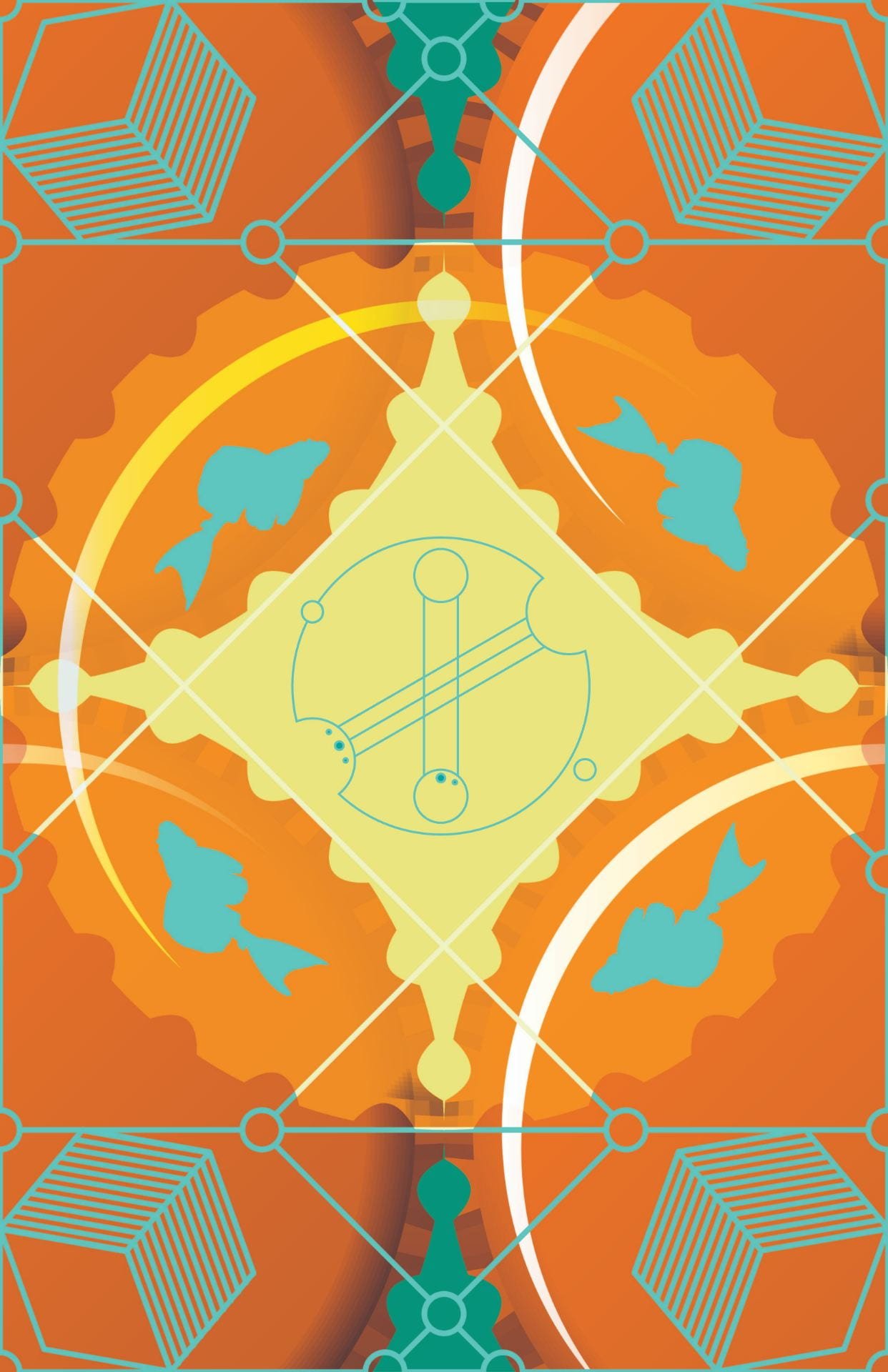
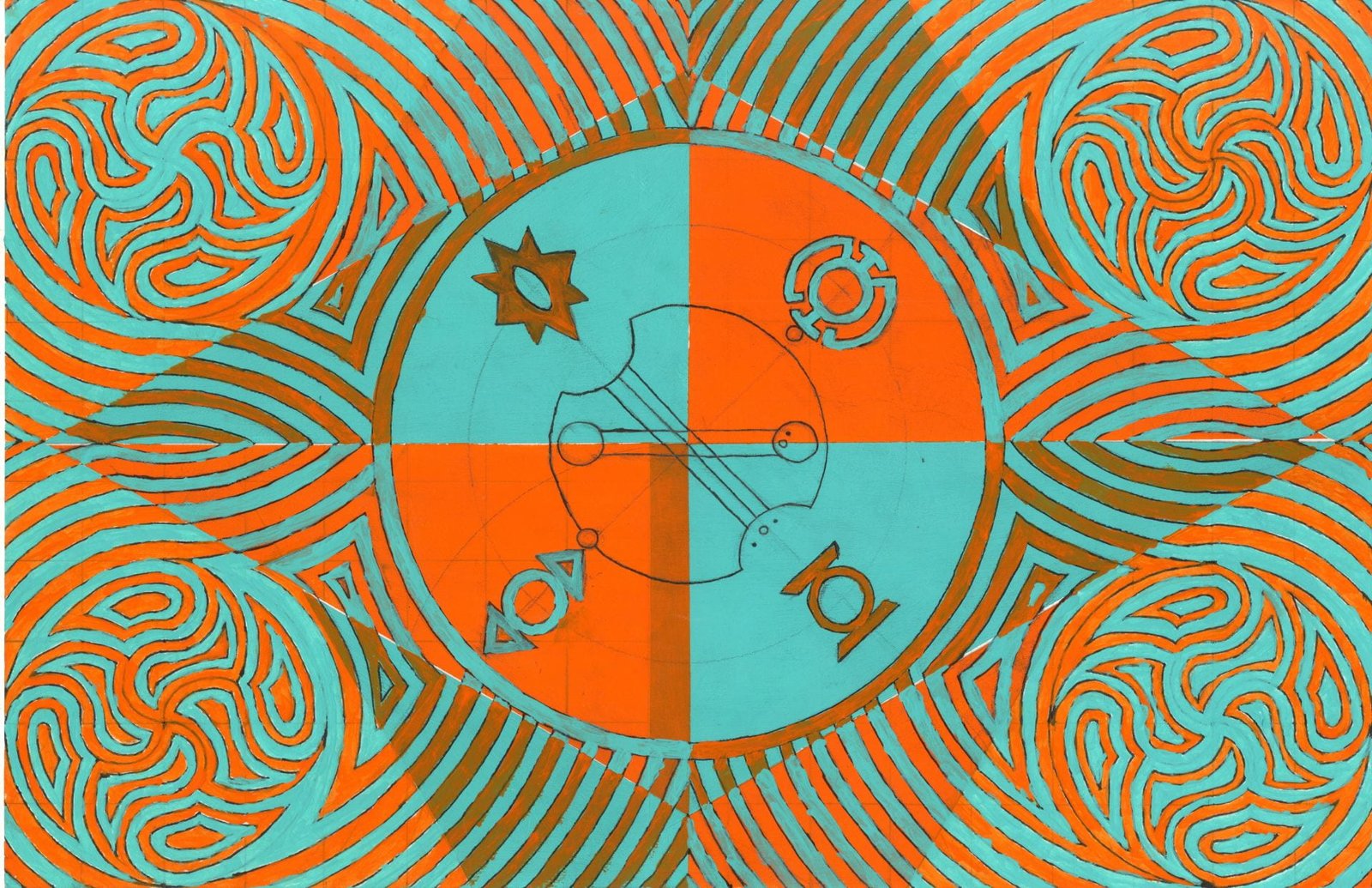
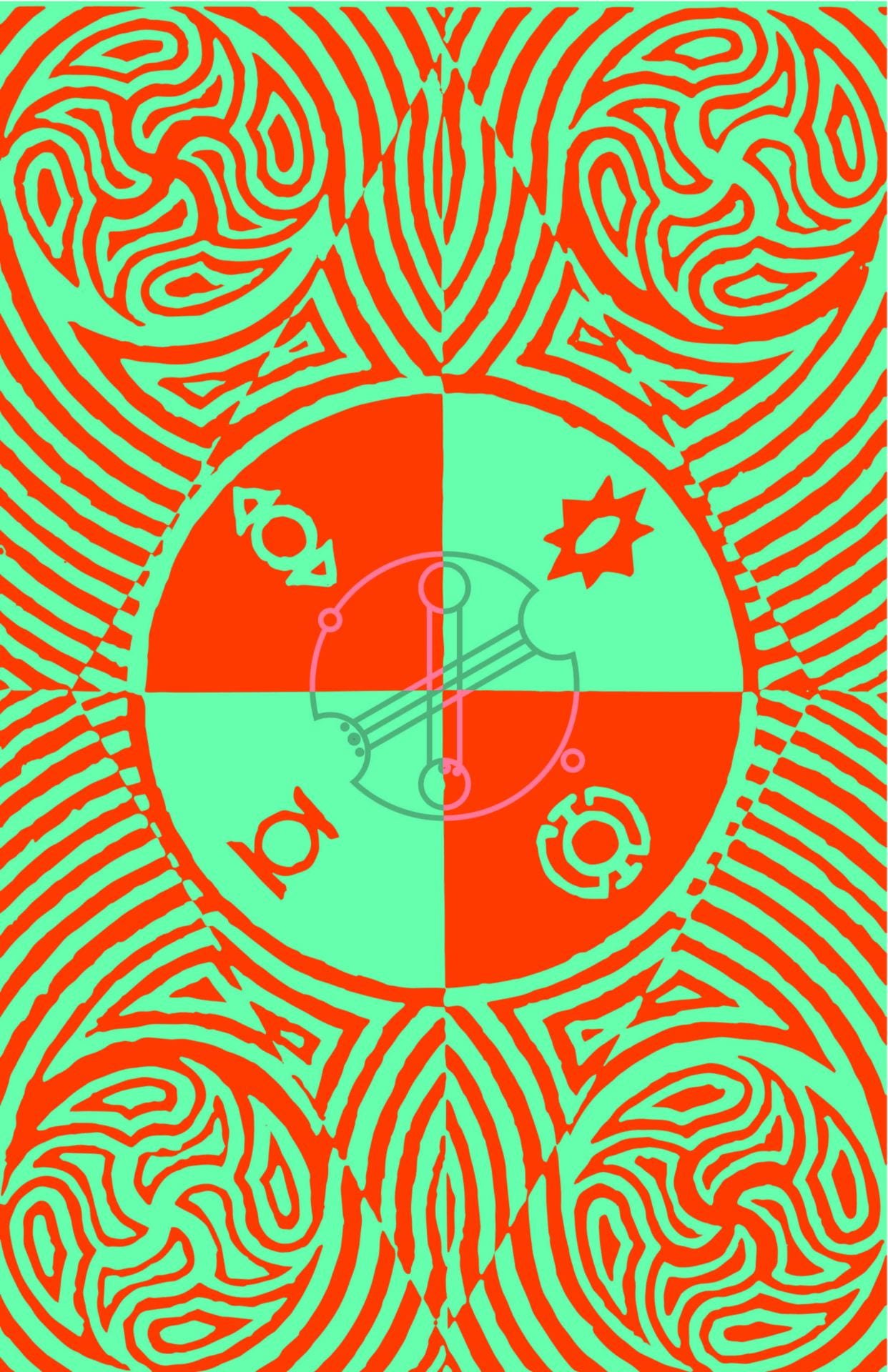
Two mandalas made to represent me. One is made digitally while the other is made by hand. One mandala represents my true self while the other represents my ideal self.
Originally I considered making a 3-dimensional mandala but I eventually decided against it mostly because my 3D printer is currently under repair. I also wanted to use this opportunity to get more experience in Adobe Illustrator and more traditional fine arts skills such as painting so, in the end, that’s what I settled on. Two more traditional 2-dimensional mandalas.
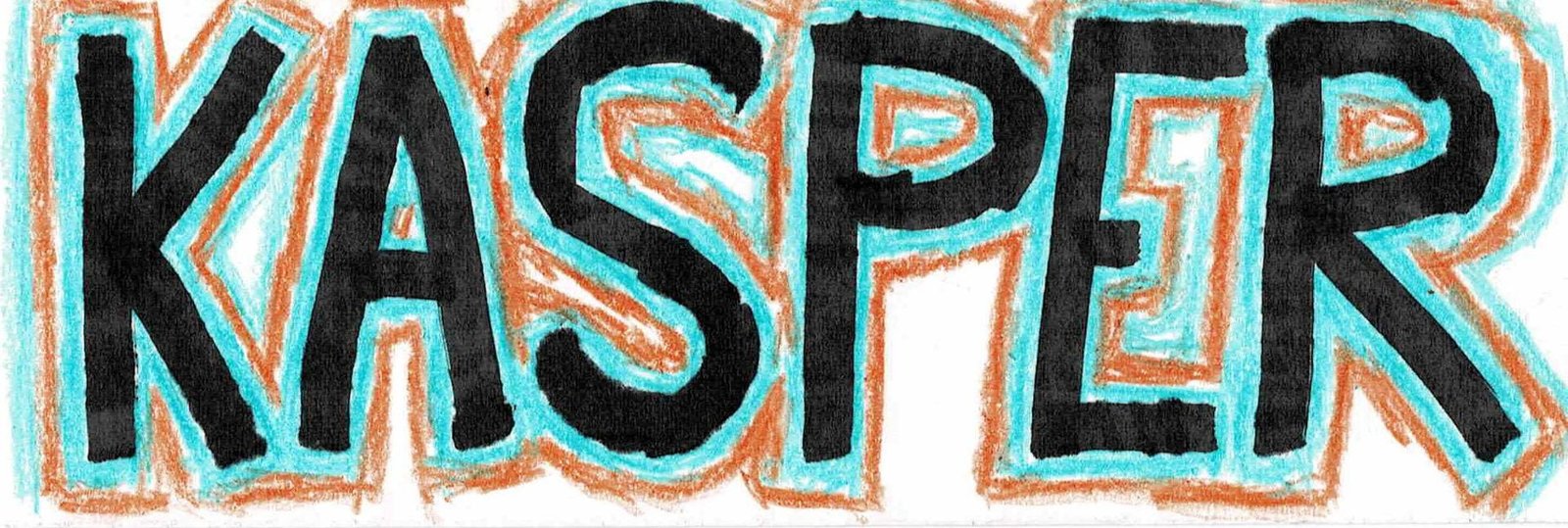
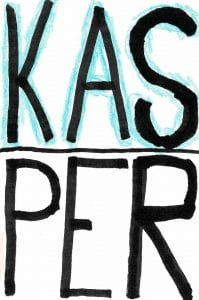
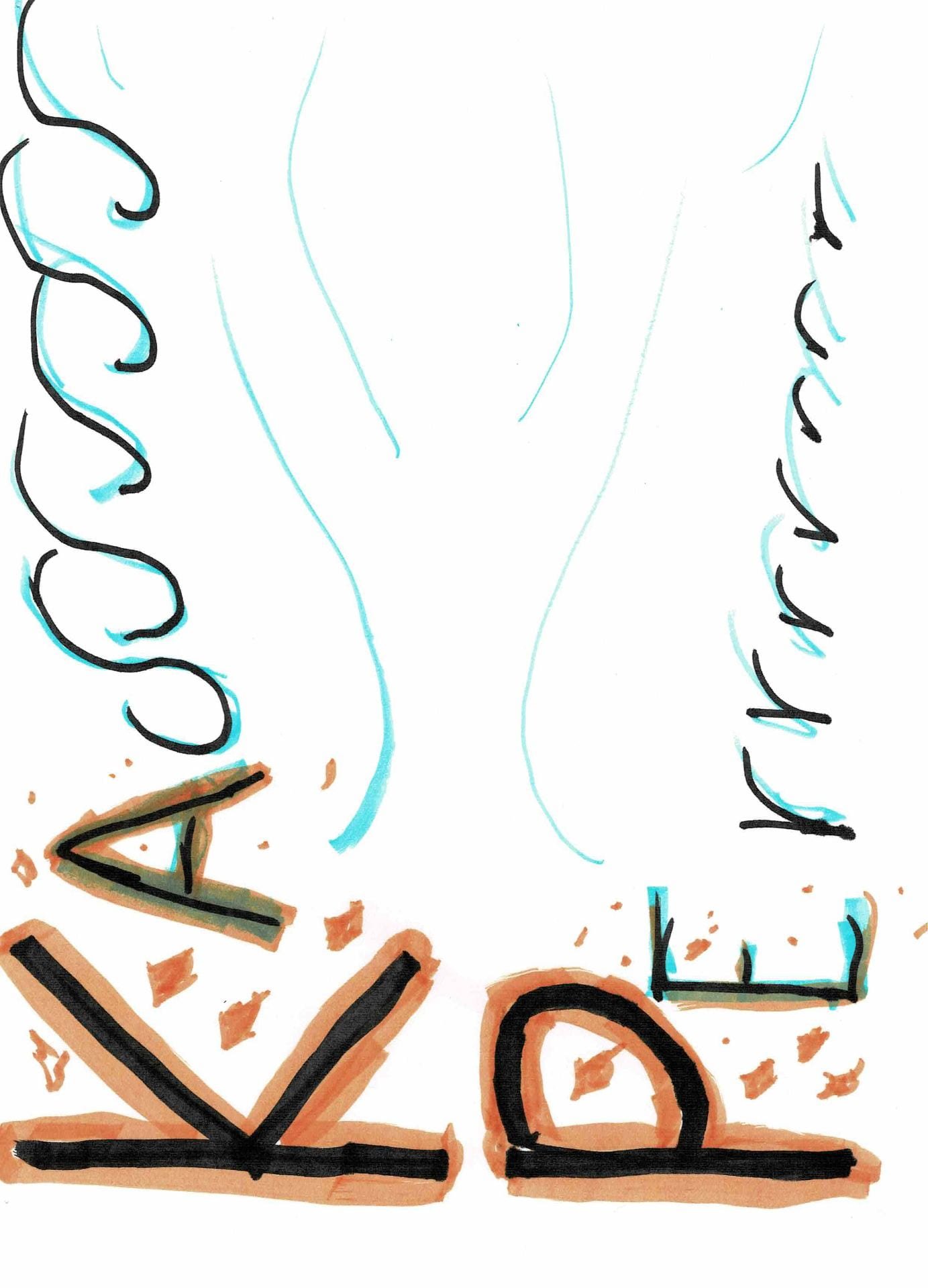
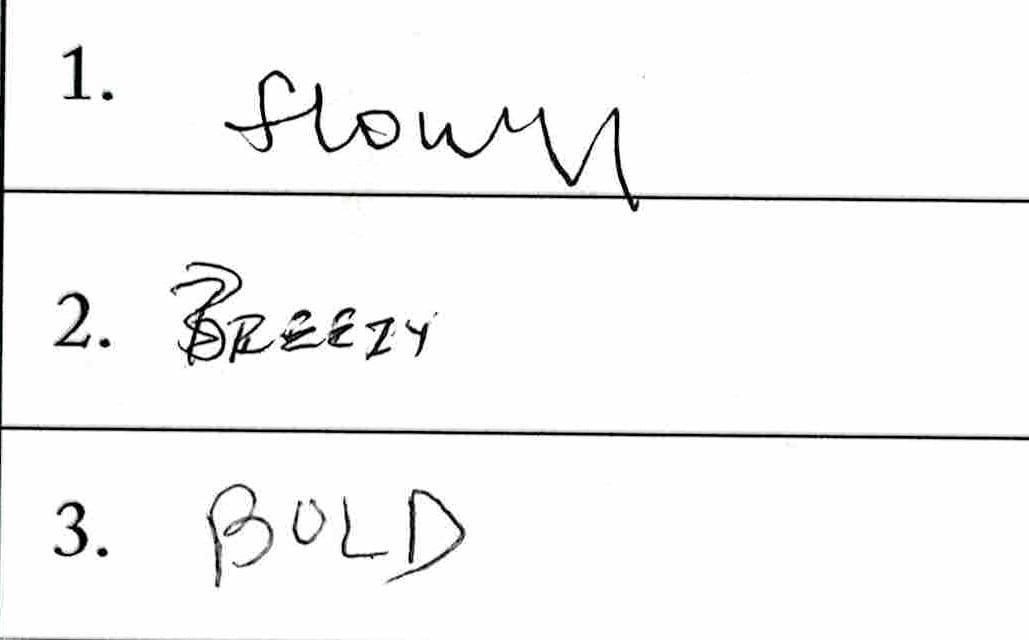
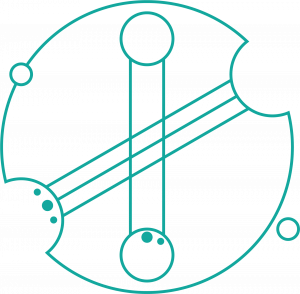
On the first day of class, I was asked to design a name tag to identify myself, but little did I know that this was the first step in me making a Seed Symbol. After that, I was asked to design a new name tag that would illustrate how to pronounce my name. Lastly, I was asked to create a Seed Symbolbut I slightly misunderstood the directions because I used letters when I was not supposed to. When we critiqued each other’s seed syllables the three above words were attributed to mine. When I got home I redesigned my Seed Symbol to comply more so with the idea of not using any letters but still conveying the essence of my name.
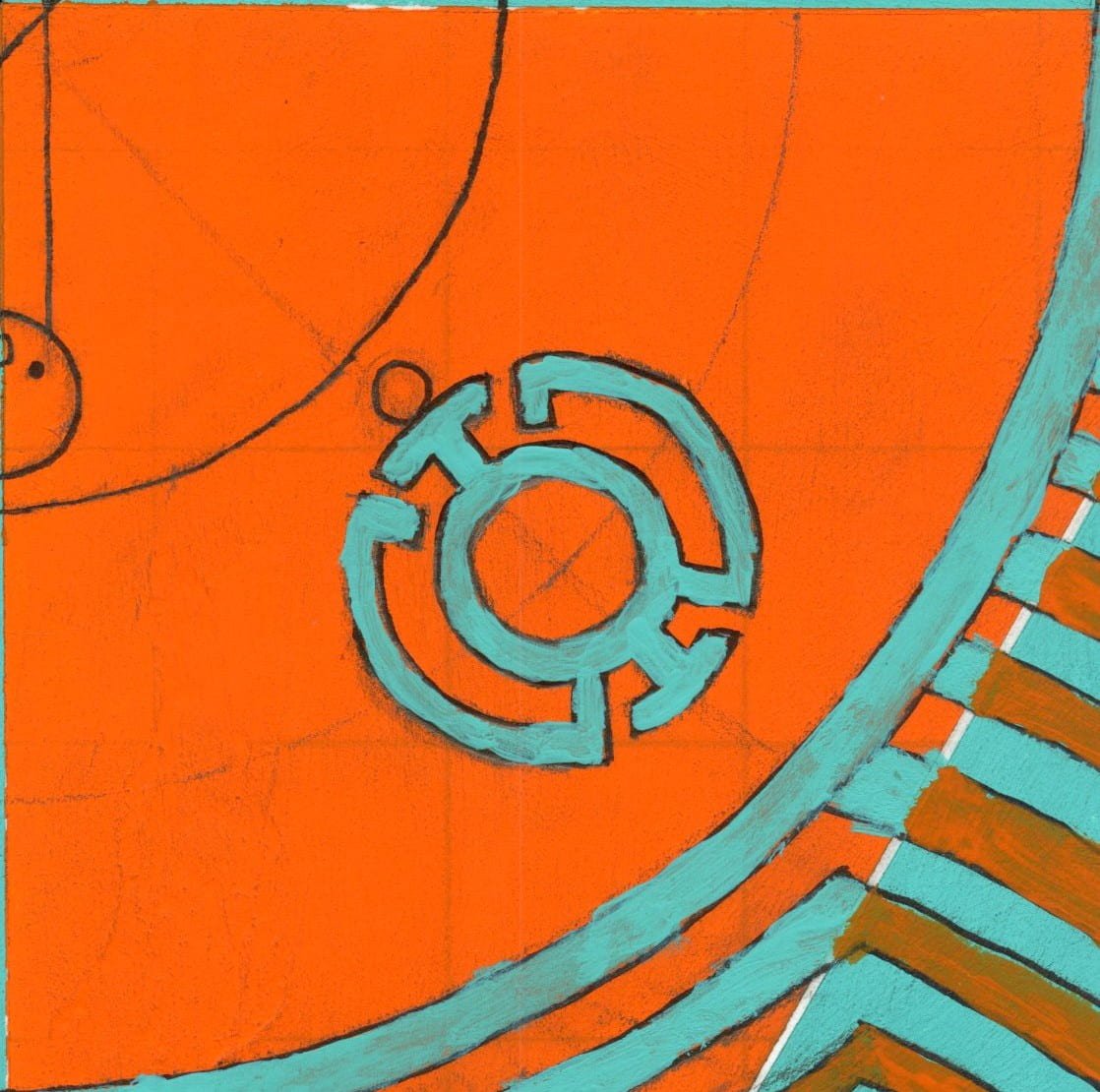
This is the symbol of hope within the DC Universe of comics.
“In fearful day, in raging night,
With strong hearts full, our souls ignite.
When all seems lost in the War of Light,
Look to the stars, for hope burns bright!”
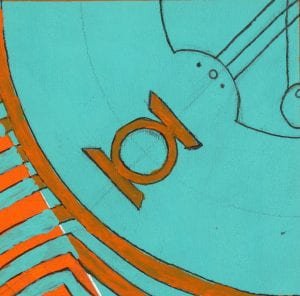
This is the symbol of will within the DC Universe of comics.
“In brightest day, in blackest night,
No evil shall escape my sight.
Let those who worship evil’s might
Beware my power–Green Lantern’s light!”
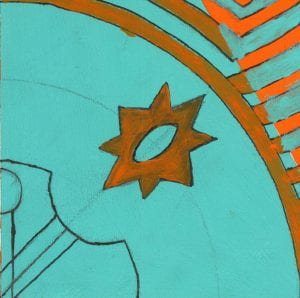
This is the symbol of love within the DC Universe of comics.
“For hearts long lost and full of fright,
For those alone in Blackest Night.
Accept our ring and join our fight,
Love conquers all with violet light!”
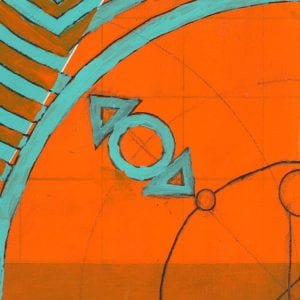
This is the symbol of compassion within the DC Universe of comics.
“In sorrowful day, in misfortunate night,
We help those, who need our might,
With the lantern power of Abin Sur,
We rid your misery…,
With compassionate might!”
These symbols also come from comics which are a huge inspiration and source of moral values in my life.

I use a bottle cap in my mandala as a symbol of my connection with substance abuse throughout my life.

I use the Pleco Fish as a symbol of freedom, responsibility, and opportunity. I associate fish with these feelings particularly the pleco fish because the best gift I ever got was a fish tank. I was about 8 and my dad came home with an empty fish tank. It gave me the opportunity to fill that tank with not only water and fish but also with responsibility and passion. The Pleco has just been my favorite fish ever and so I chose it above all others to represent these memories and feelings.
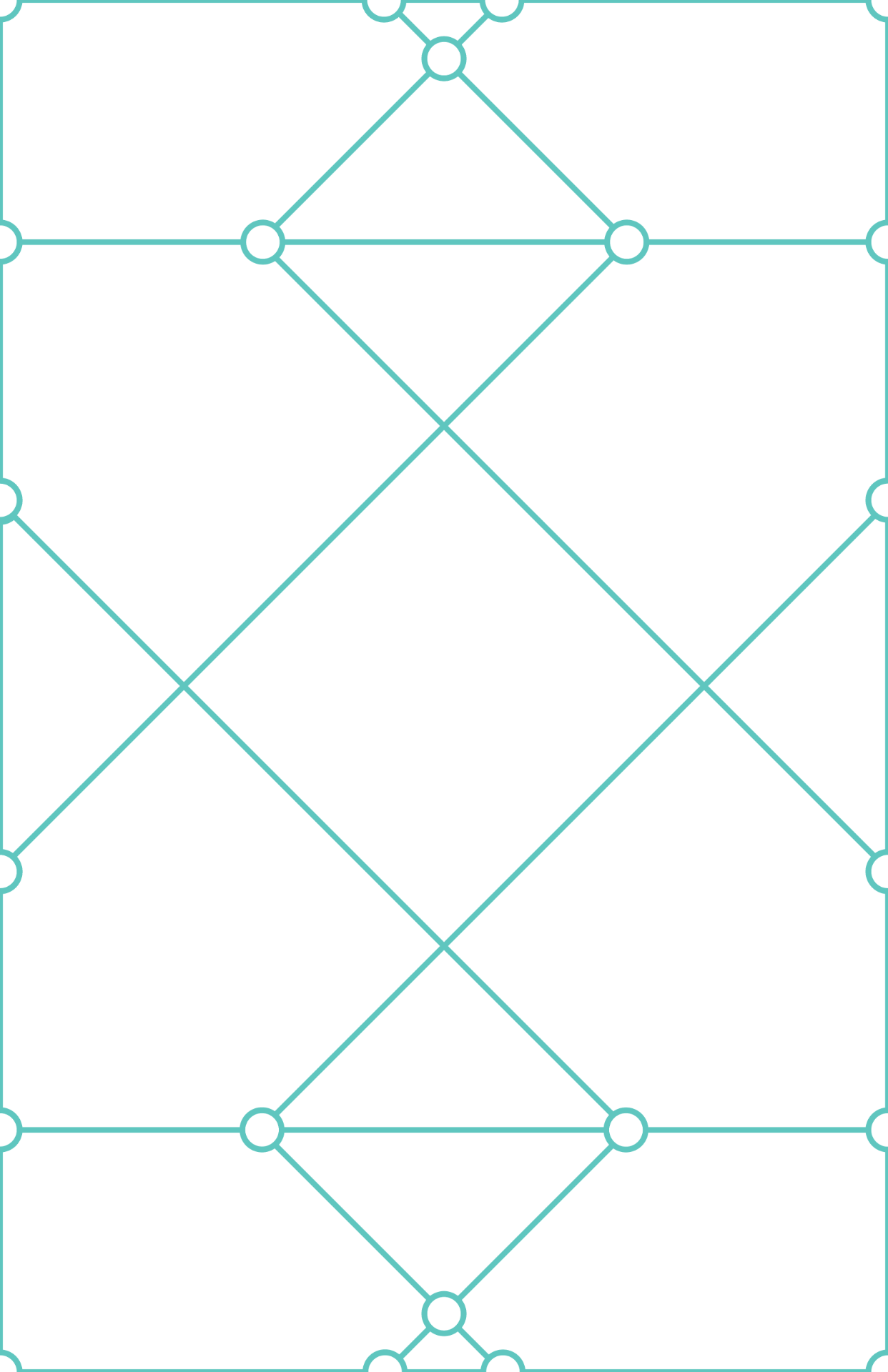
Circuitry to me represents not only the technological part of my life and my love for innovation but it also represents my connections with people. In particular, it reminds me of my dad and him helping me build my first computer.
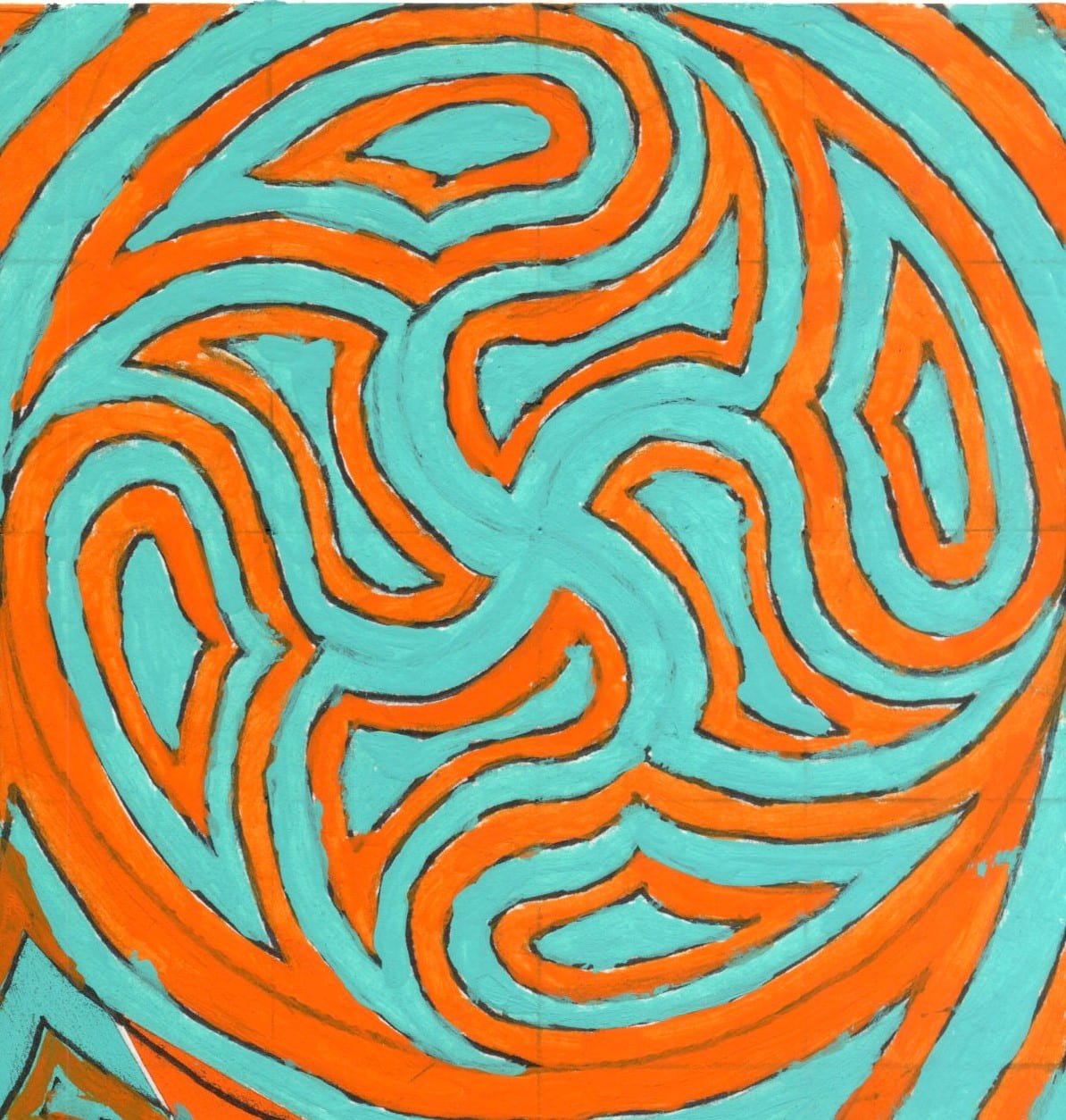
I really, really love water. I love the sounds it makes as it rushes by, I love how it feels running through my hands and I love how it looks. Water always goes with the flow and manages to find the path of least resistance. This is such a great quality and I highly try to emulate that flowing way of living life.
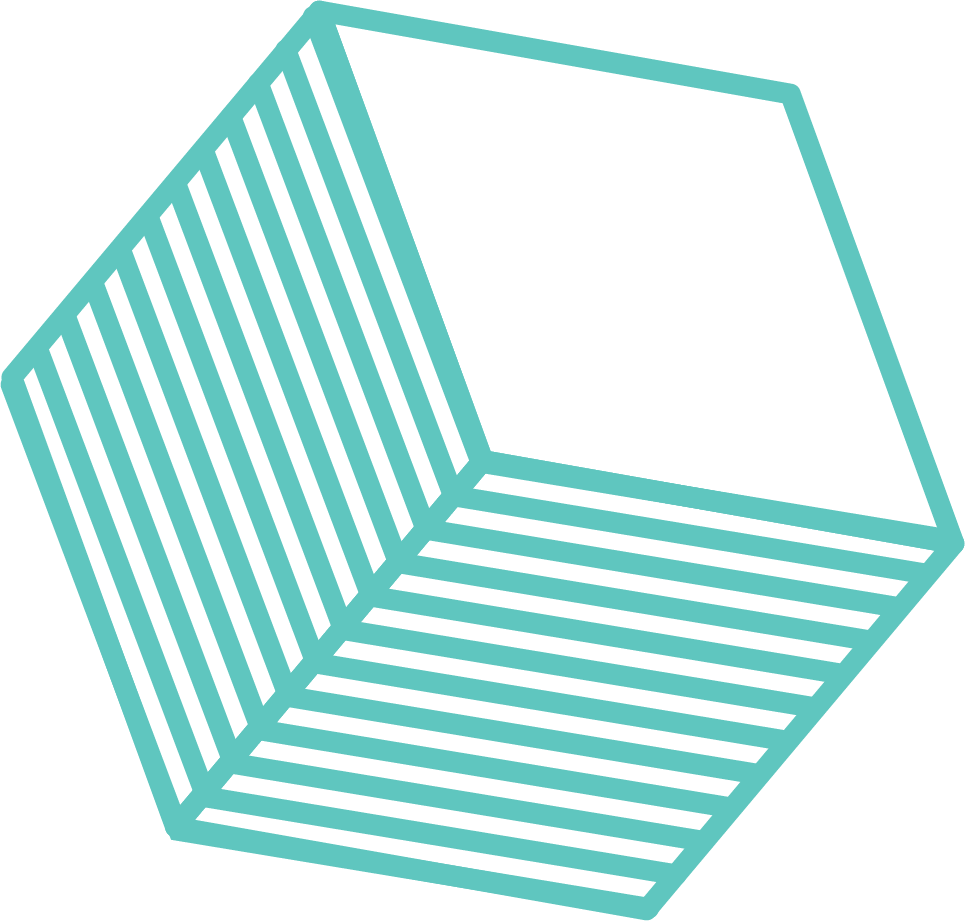
3d printing has become an integral part of my life and my craft. 3D modeling and printing is an addiction and no amount of projects can satiate my drive to keep working with it. Best manufacturing process EVER!
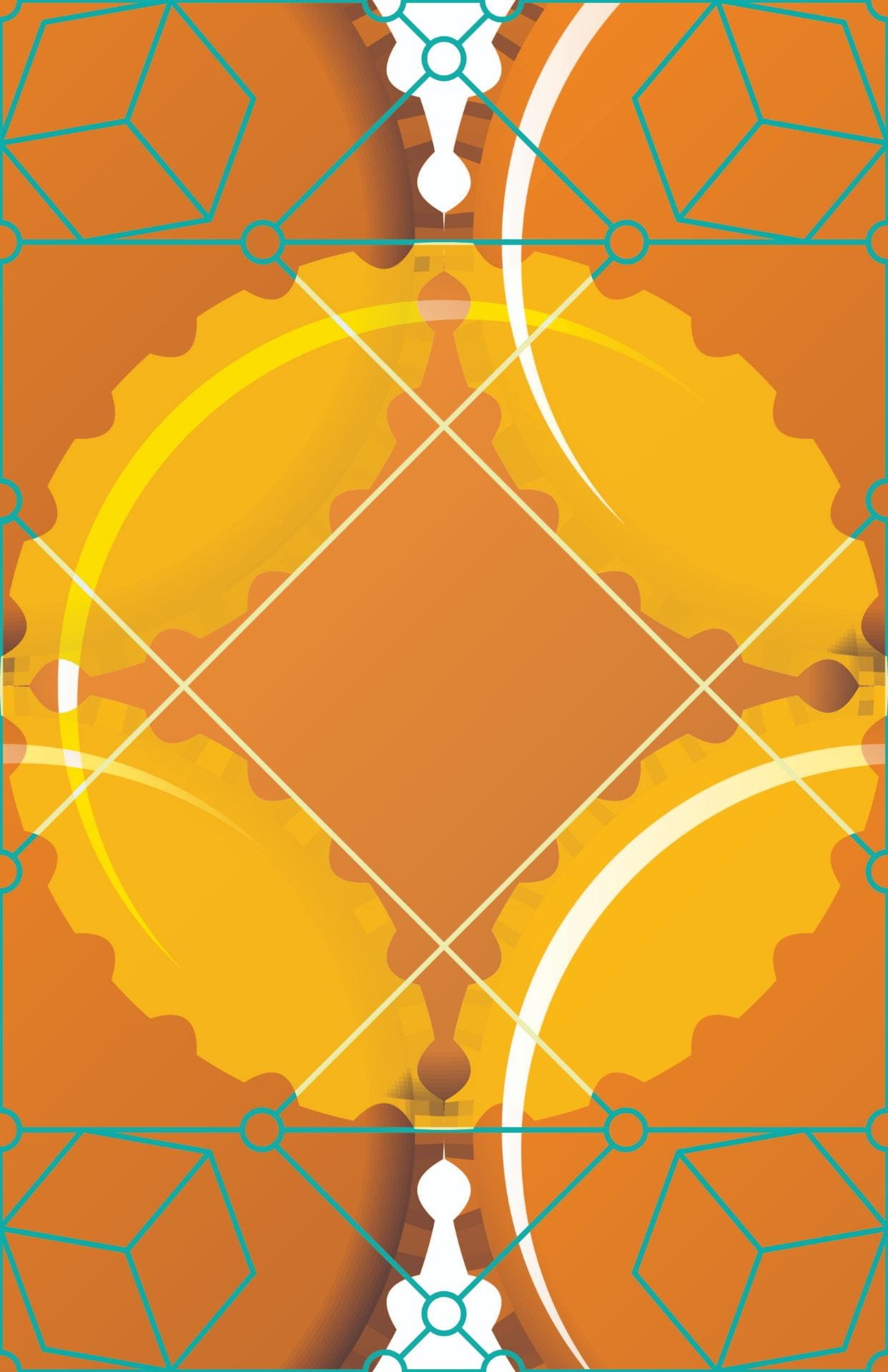
An Image Trace in Illustrator
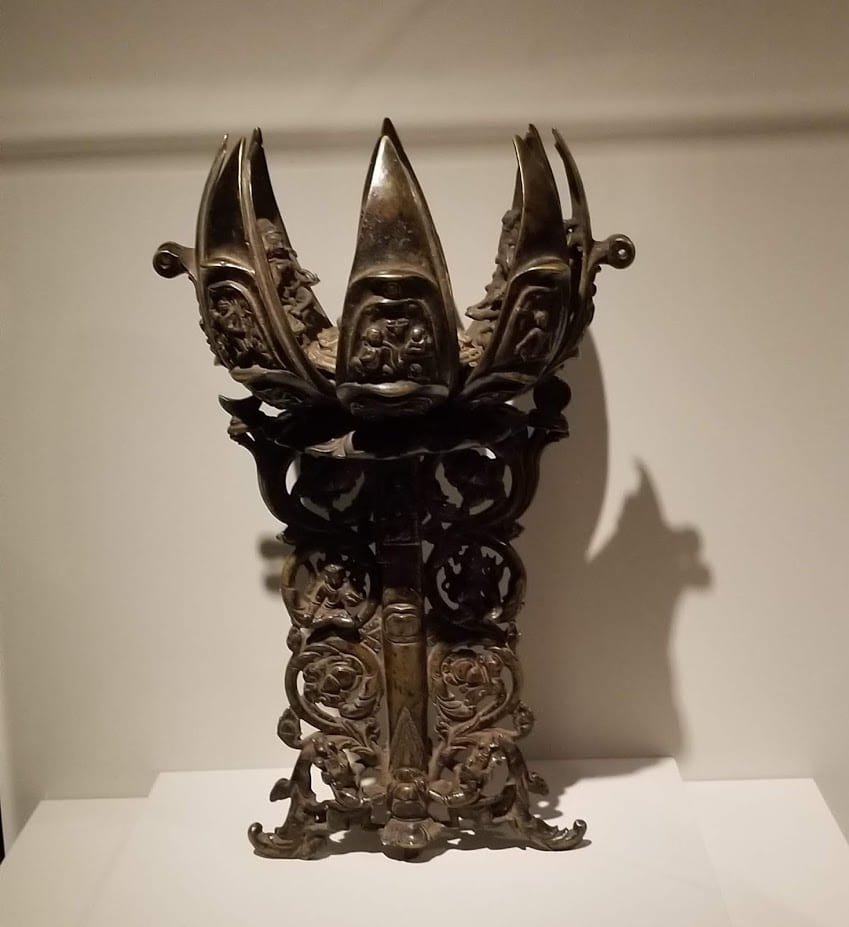
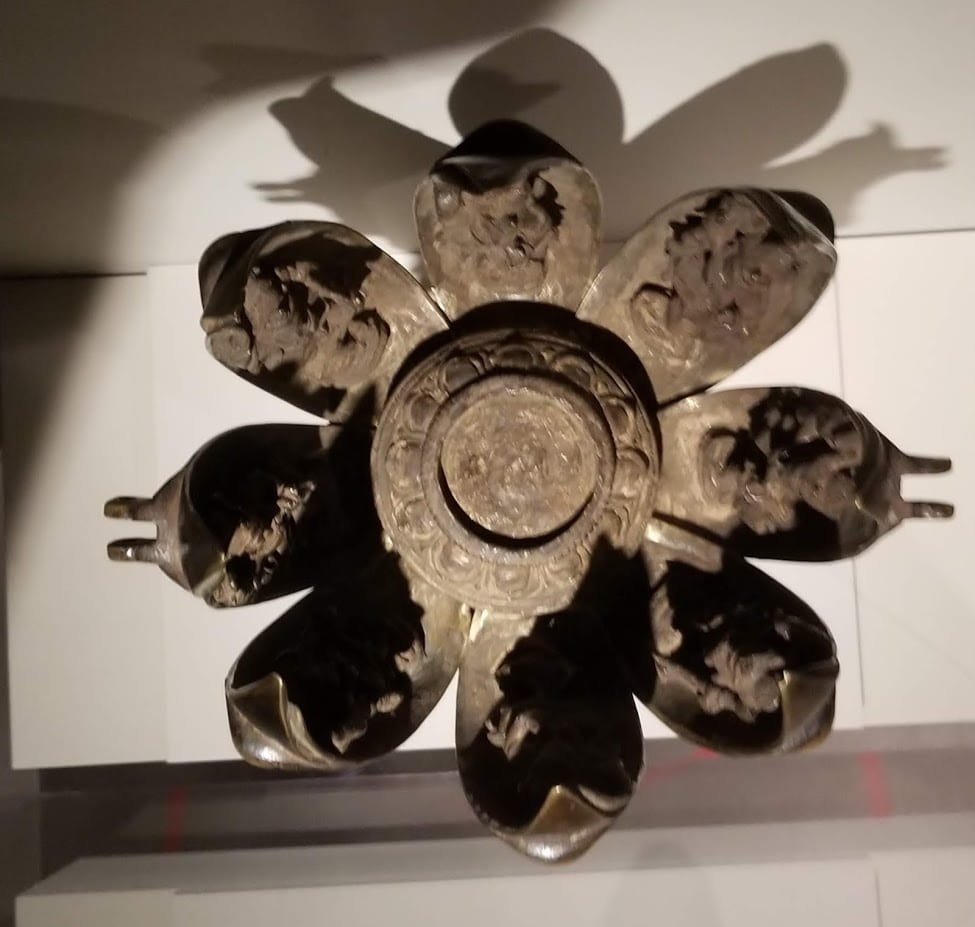
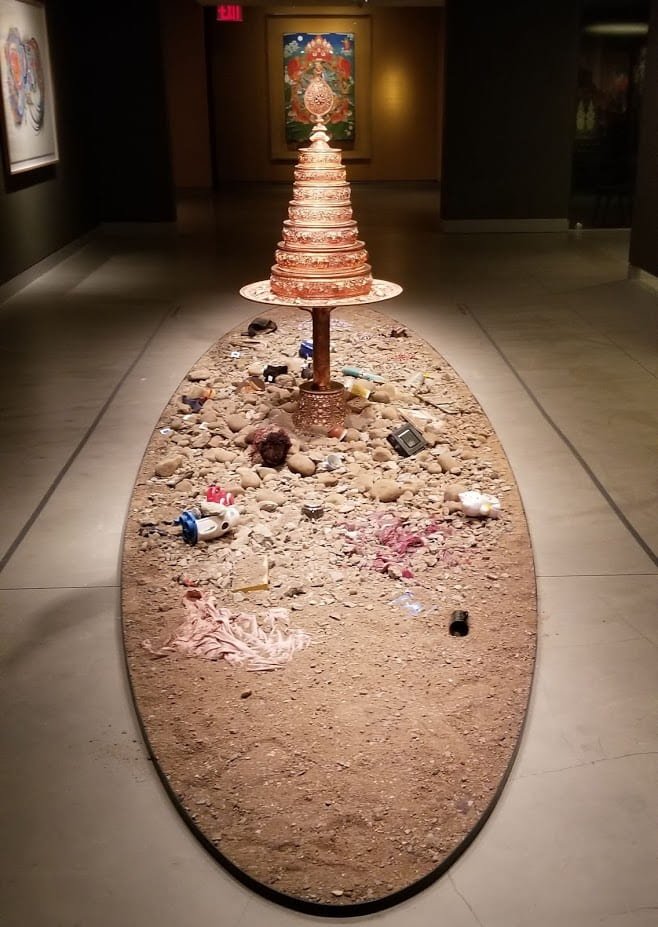
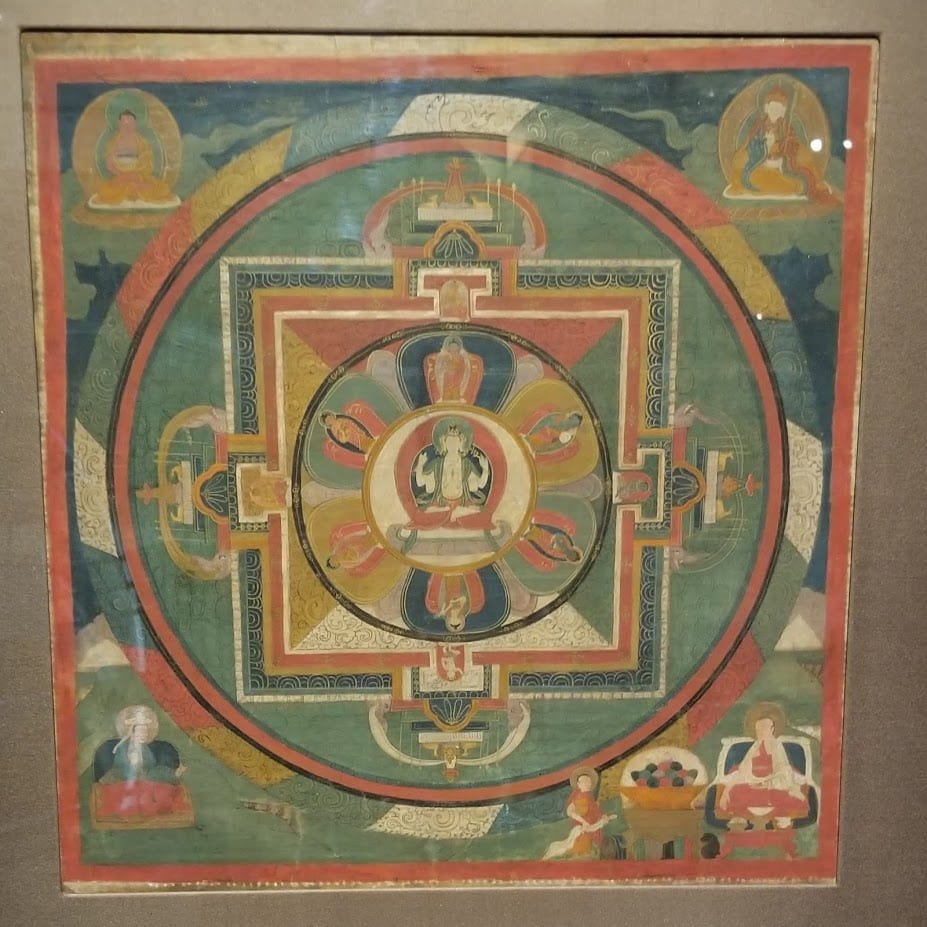
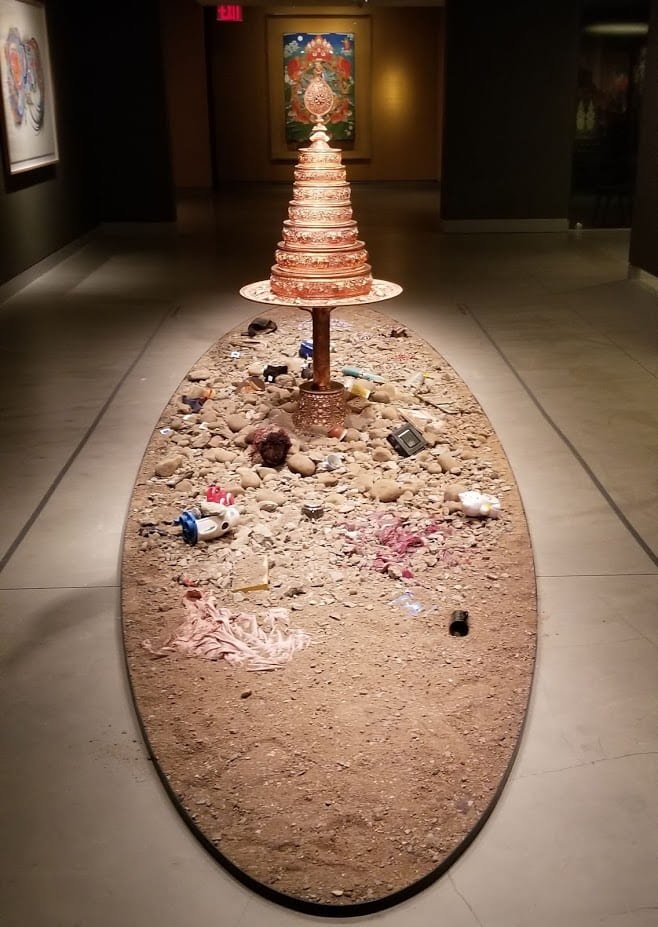
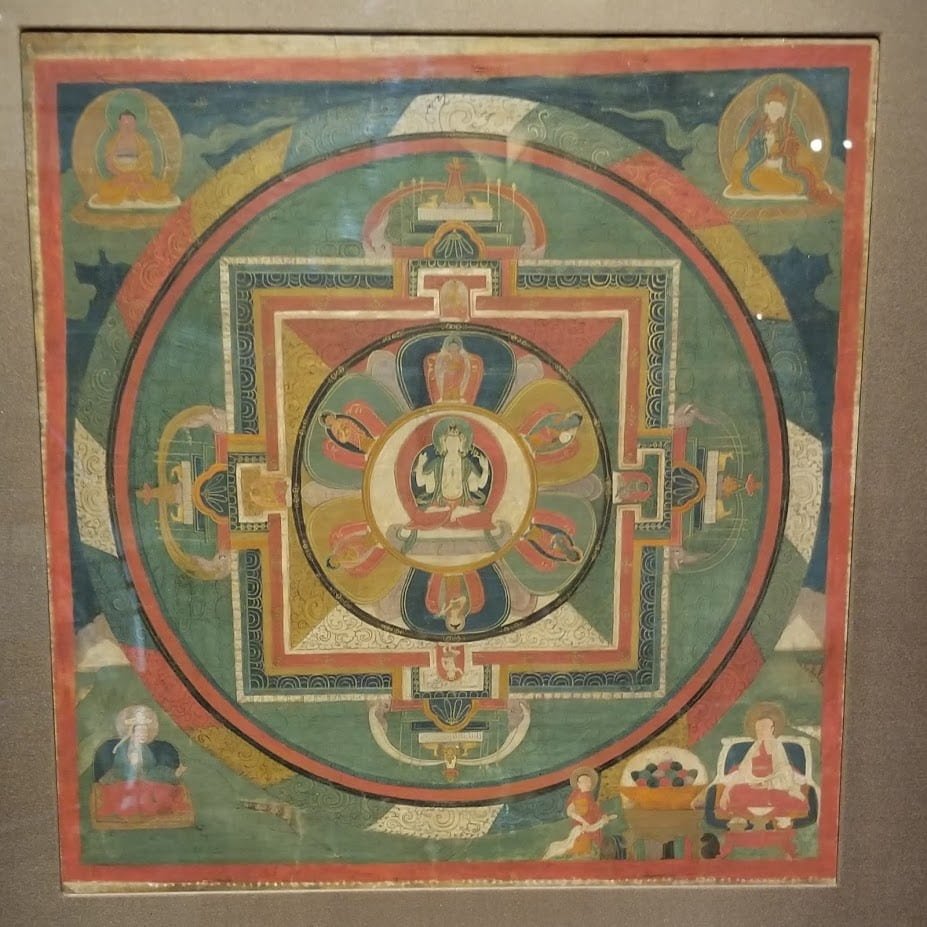
During Int. Studio 1: Fake, in our first class, we visited the Rubin Museum. Whilst there I was given the topic of Mandalas to keep in mind. I knew before this class that Mandalas are a tool sometimes used to help in meditation from my Religions of the World class at St. Francis Prep but other than that I didn’t know much. At the Rubin, I actually learned that Mandalas are not confined to two dimensions and can have three. This stuck out to me and if we are making Mandalas I’ll consider doing one that is three dimensional.
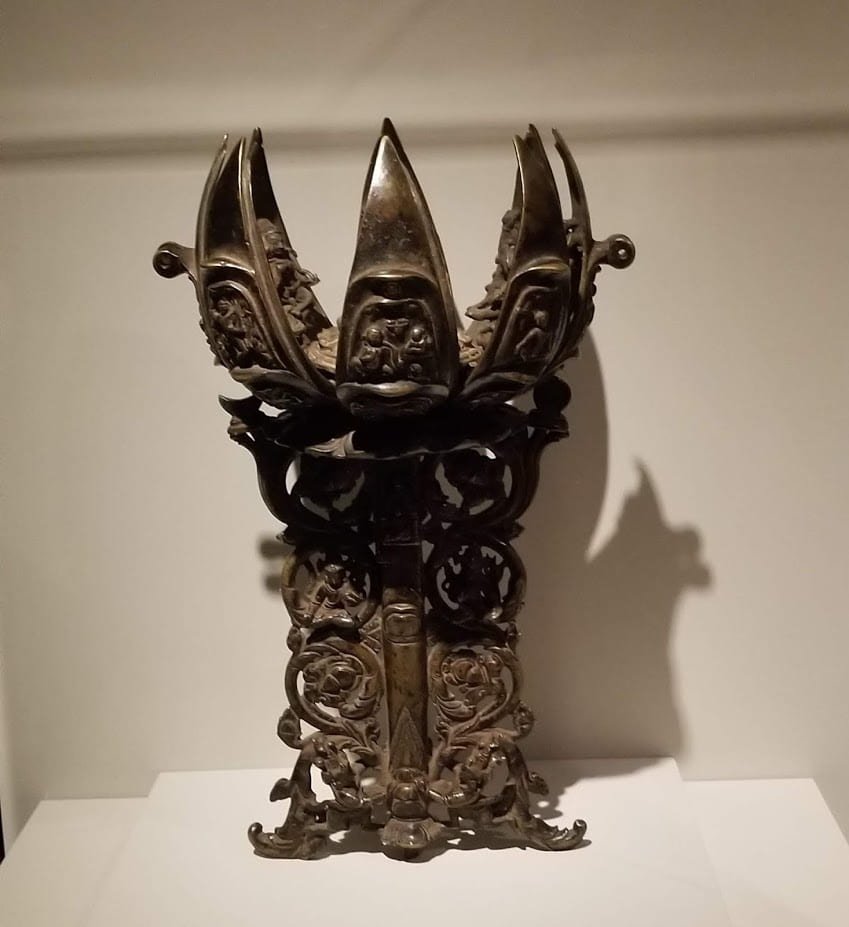
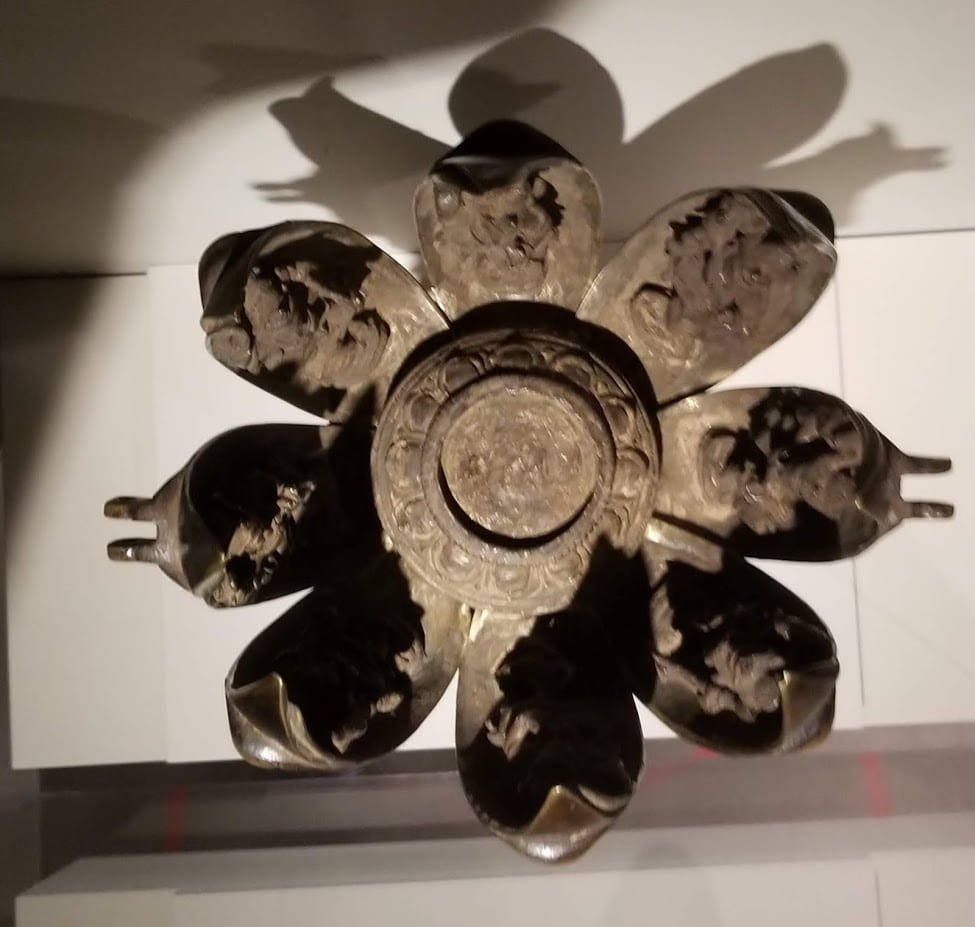
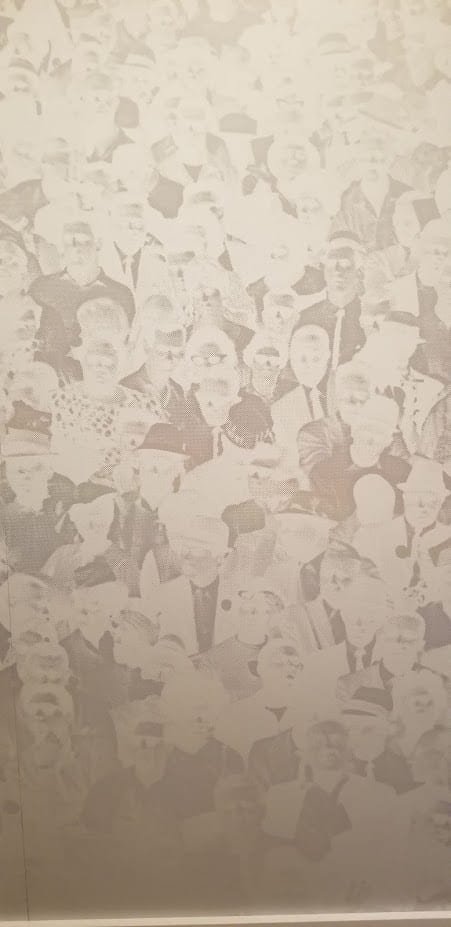
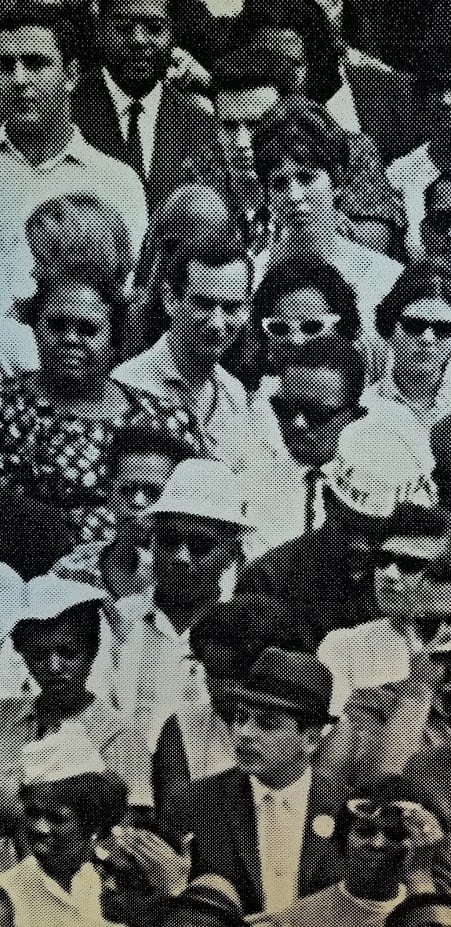
I also ran into a curator from the Rubin during my time on the 6th floor. She was very informative and demonstrated the retro-reflective properties of a piece for me. It was fascinating and an approach to imagery that I have never seen before. You could only see the true values of the piece if you took a picture of it with flash or looked at a portion of the piece from a specific angle with specific lighting conditions.
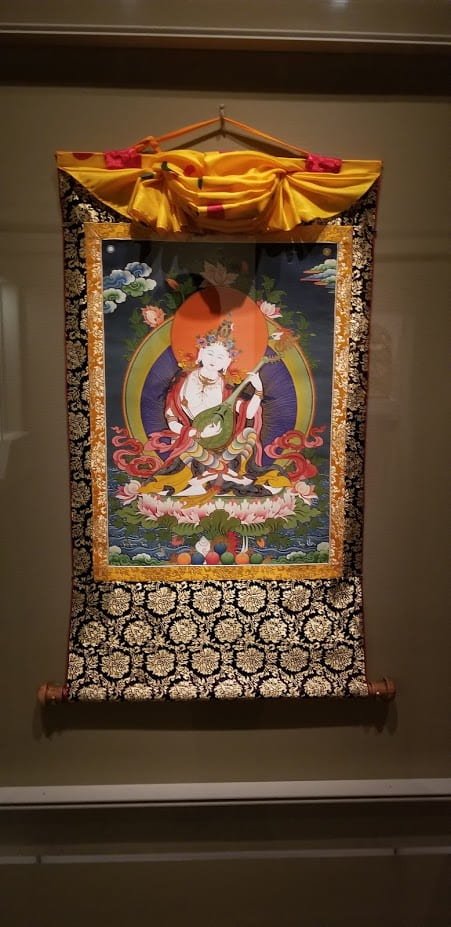
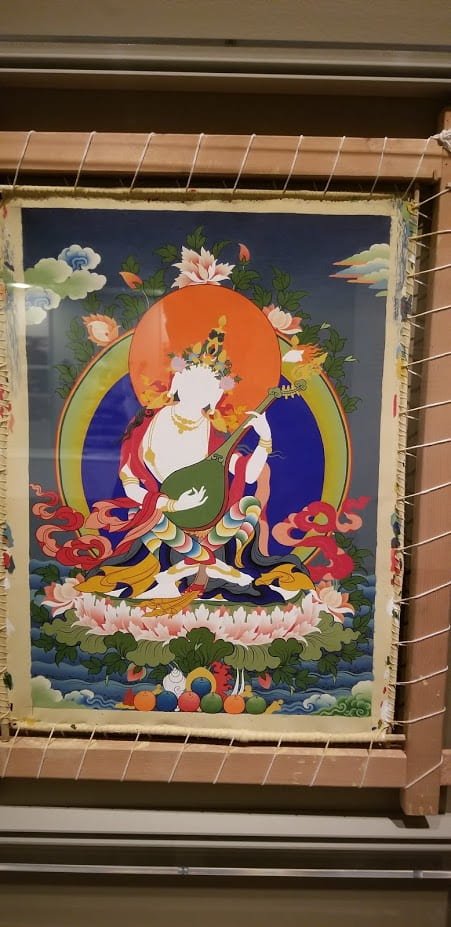
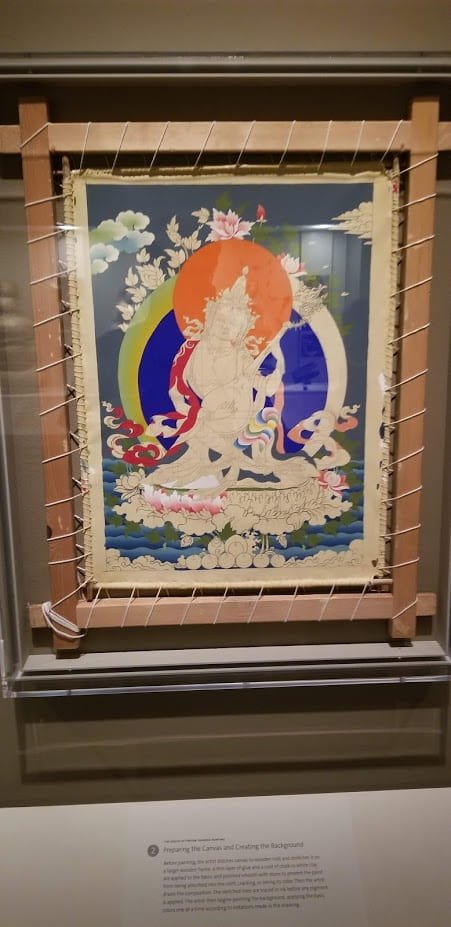
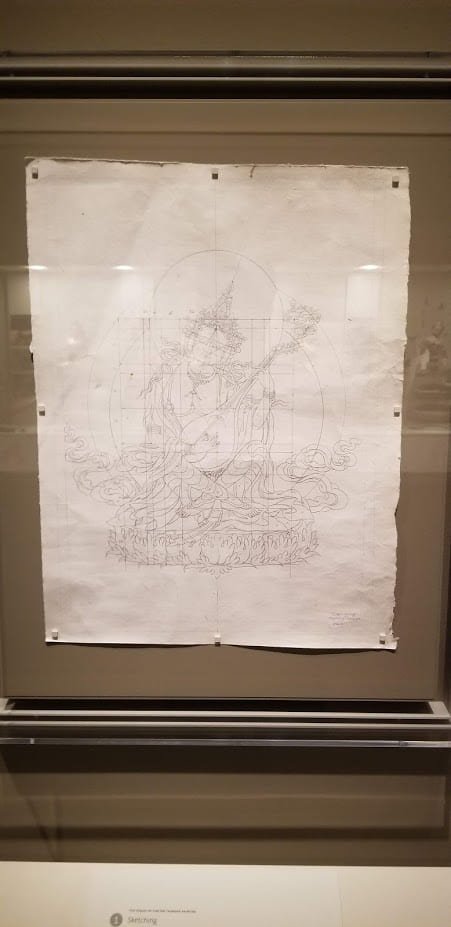
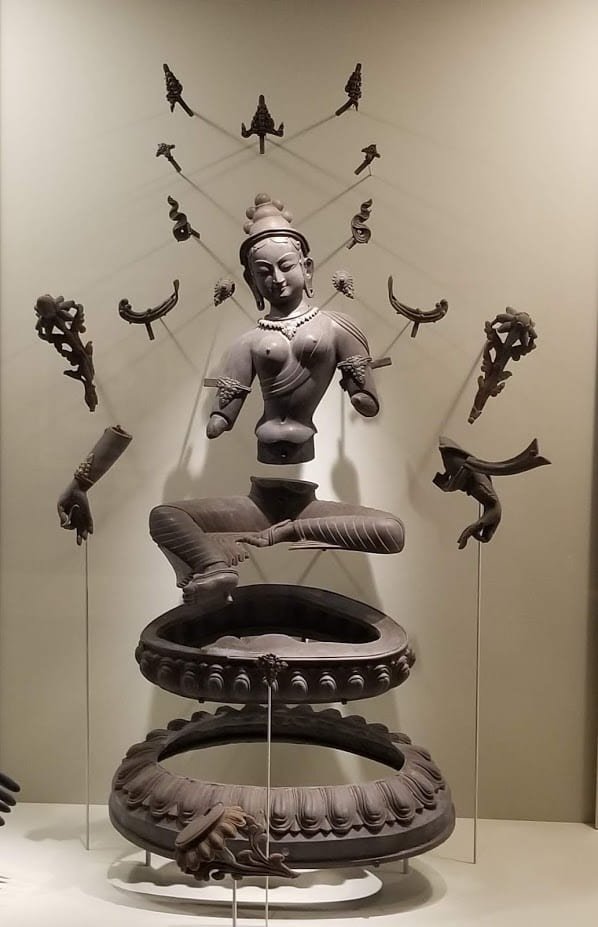
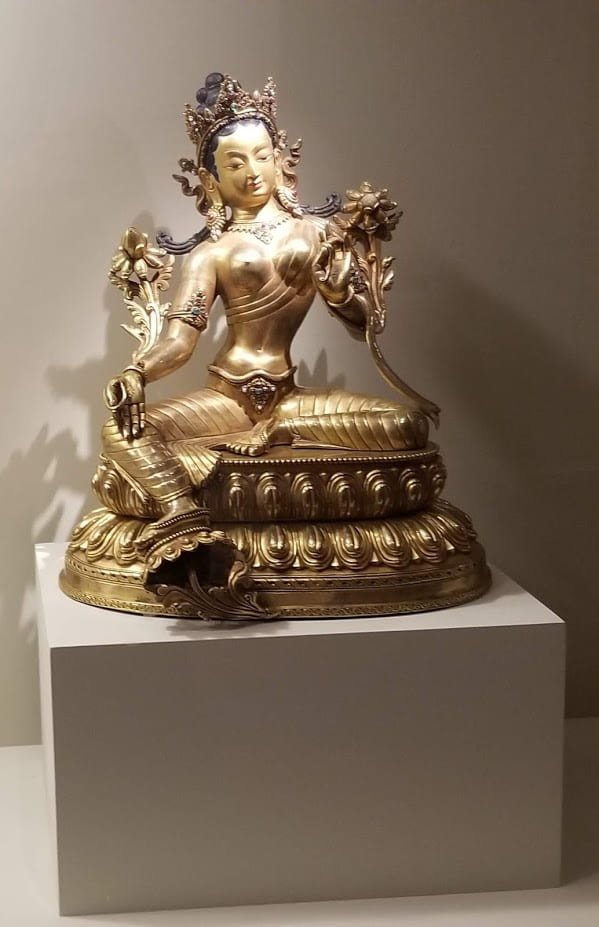
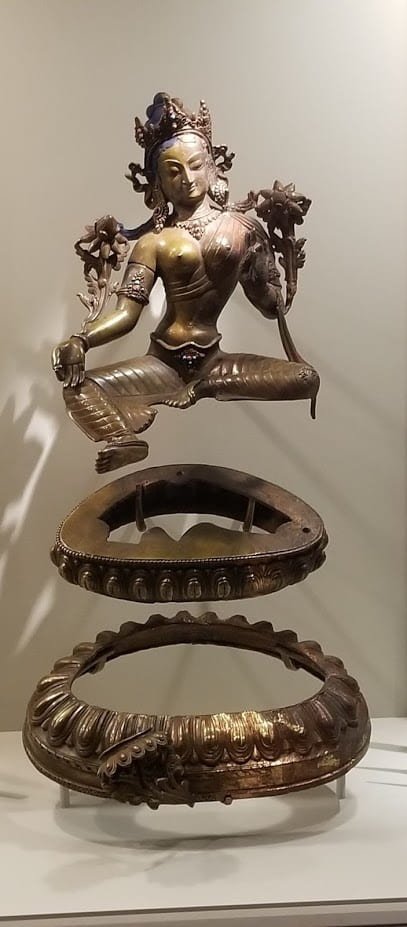
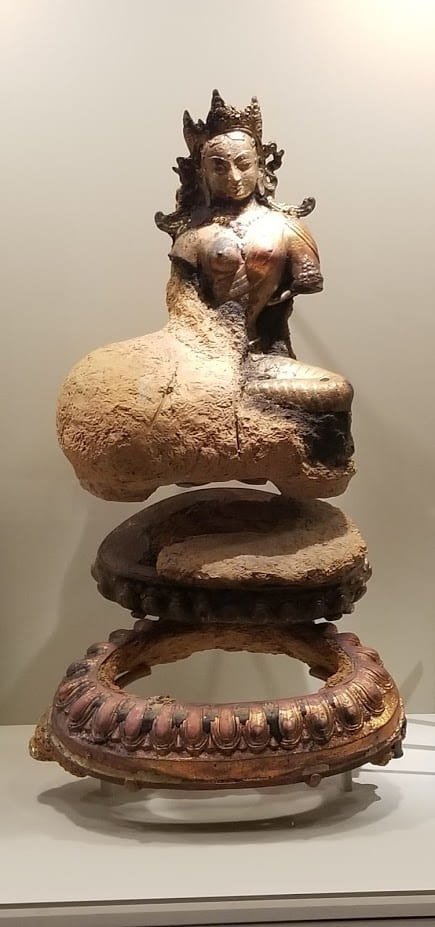
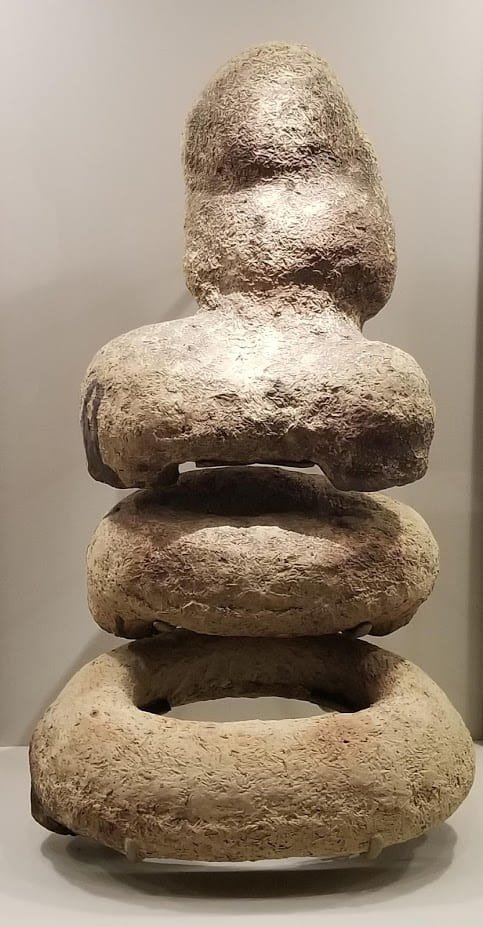
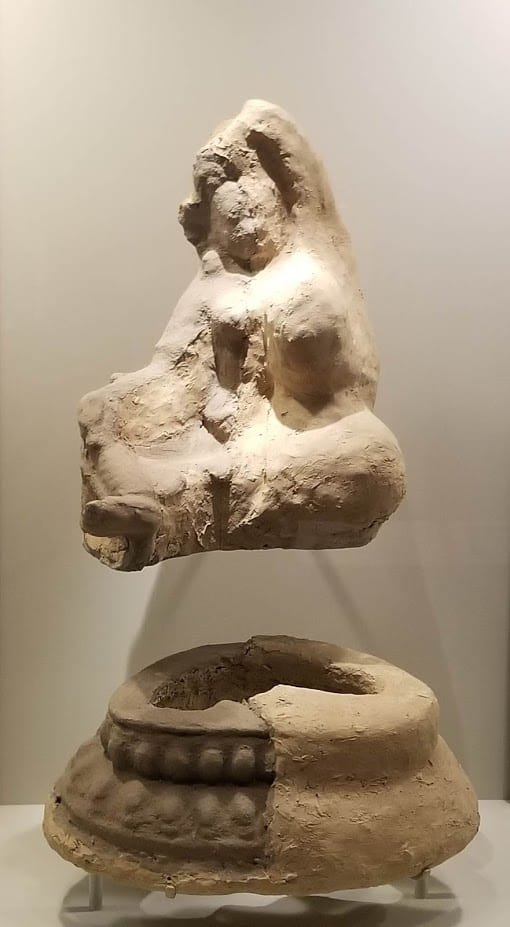
Another exhibit that I found interesting was the one depicting the process in which the intricate illustrations were done but especially the process in which the casting of hollow statues was done. I’ve recently been observing this investing and casting process myself a lot on the internet and that’s why I was so drawn to it. It’s incredibly interesting how little the process has changed over the years. The main difference between the past and today that I could think of was the creation of the initial wax sculpture. This original sculpture that was used to make the mold used to be hand-carved out of wax but, today it is often modeled digitally and then 3d printed instead. This has become such a popular method that there are specific materials used to print for this exact process.
Copied from my Learning Portfolio: PROJECT 1: Memory Mandala (September 10, 2019).